








Chinese Inventions
Use this KS2, six-lesson scheme to explore the innovative culture of ancient China and discover the inventions that have helped shape the world, including paper, the compass, gunpowder and the moveable-type printing press. With lesson plans, slideshow presentations, differentiated activities and a wide range of printable resources, these six 'Chinese Inventions' lessons contain everything you need to deliver these creative and engaging lessons.
This scheme of work is also part of a Topic Bundle. Perfect if you are teaching 'China' as a cross-curricular topic.
Lesson 1: Paper and Printing
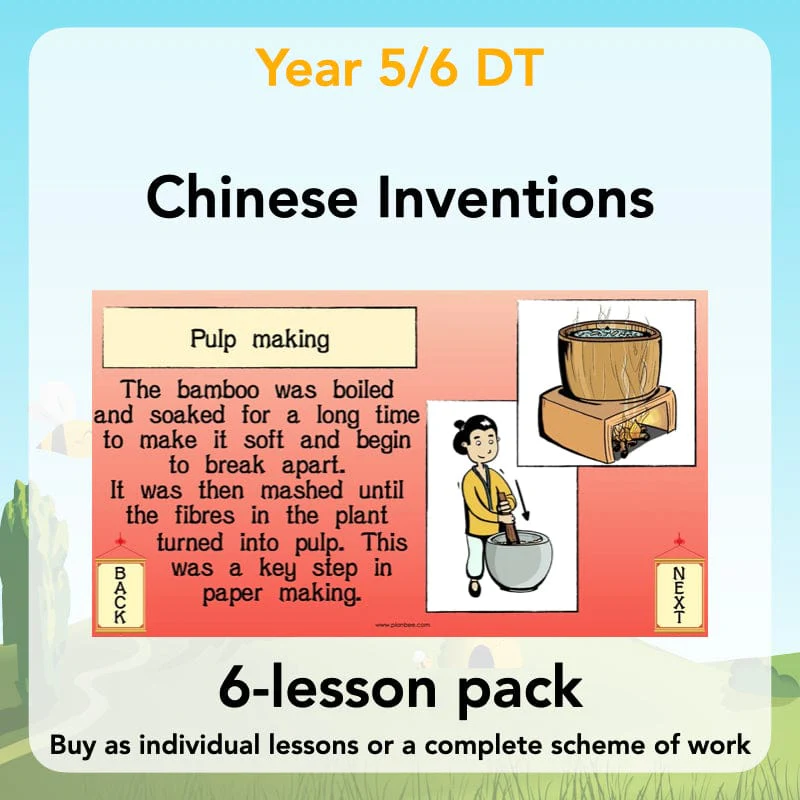
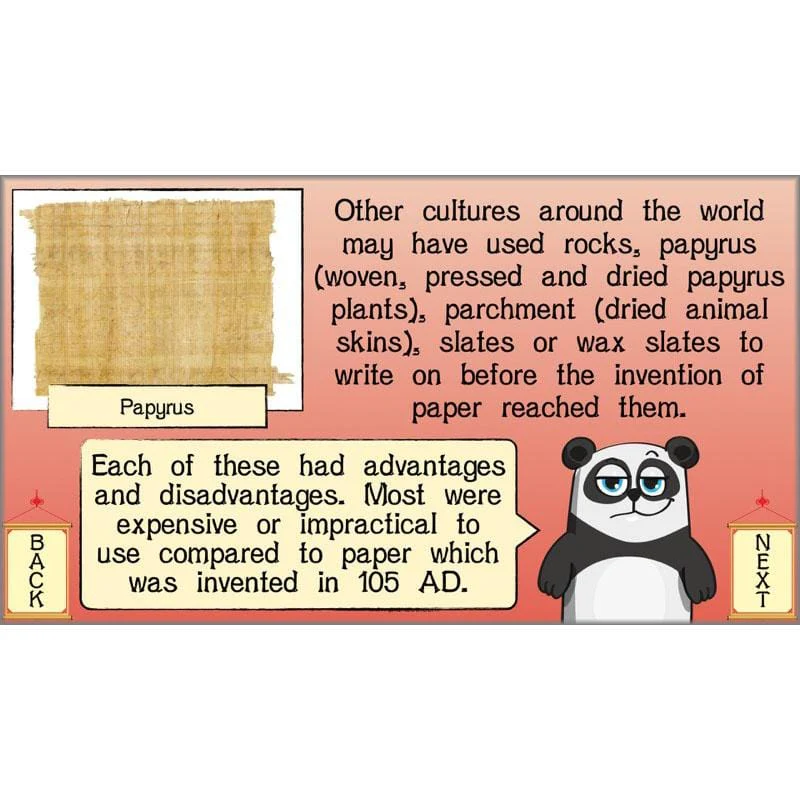
Begin the topic by exploring the invention of paper and the moveable-type printing press. Challenge your class to reflect on how these inventions may have changed people’s lives once they had been discovered and challenge the children to take an in-depth look at the paper-making process.
What's included:
- Lesson plan
- Slides
- Activity ideas
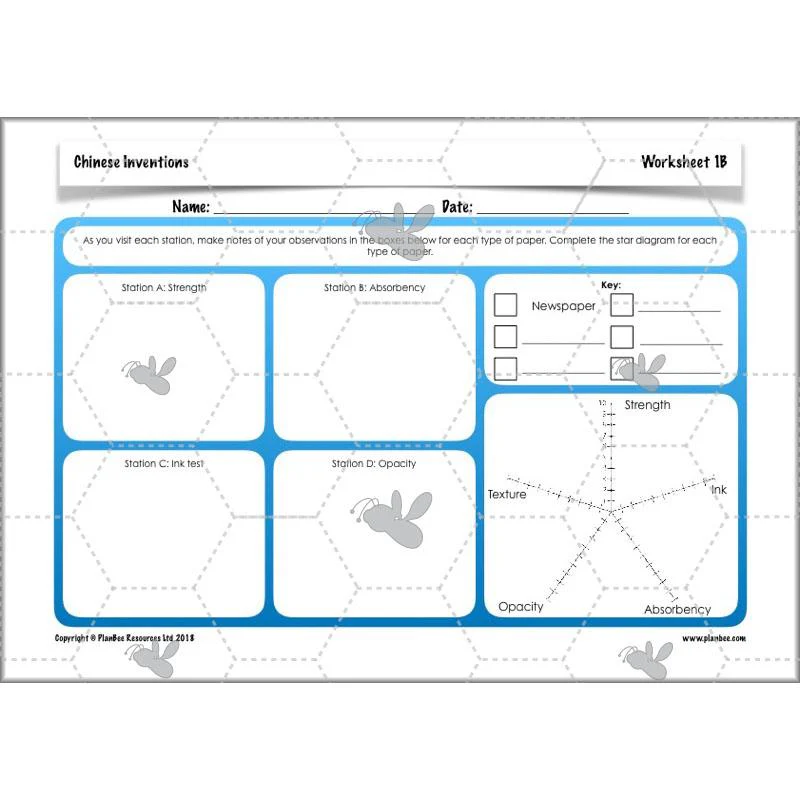
- Differentiated worksheets
- Challenge cards
- Paper-making sheet
Lesson 2: Gunpowder and the Compass
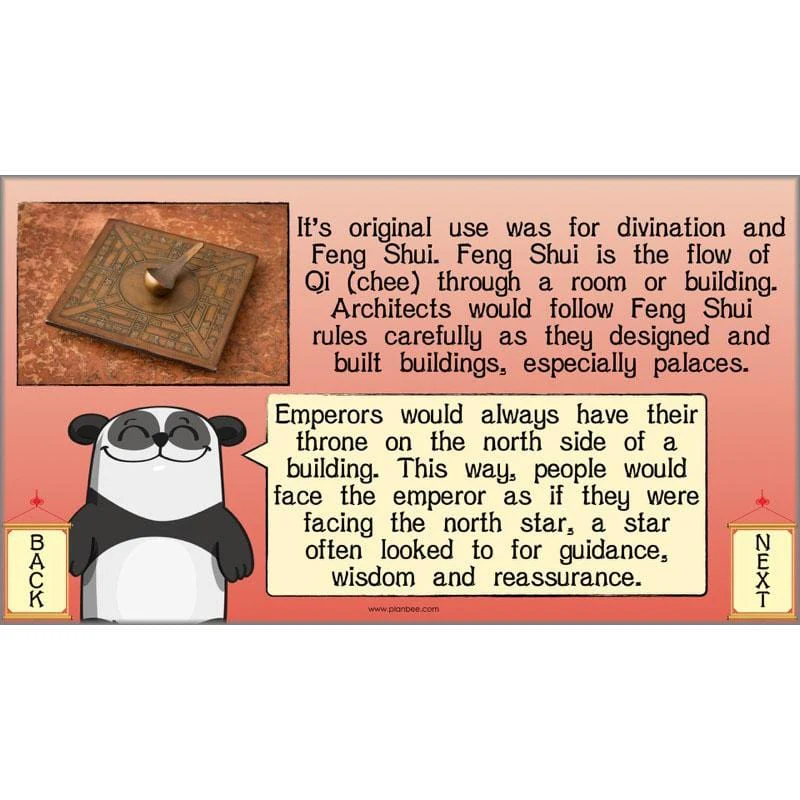
Continue discovering China’s four greatest inventions by investigating the invention of gunpowder and the compass. Encourage your class to think about how these may have affected the everyday lives of people and on a larger scale, the ways countries were run. Challenge the children to look at the designs of existing products and change them to suit specific needs.
What's included:
- Lesson plan
- Slides
- Activity ideas
- Challenge cards
- Differentiated worksheets
- Feng Shui card
Lesson 3: Water-powered Machines
Take a closer look into the machines that were built in ancient China. Challenge your children to look at the simple designs, investigating how water wheels, gears and cranks were used to create simple machines for different purposes. Explore the way in which gears move with each other or amend the design of a water clock to create different effects.
What's included:
- Lesson plan
- Slides
- Activity ideas
- Challenge cards
- Differentiated worksheet
- Gear templates
Lesson 4: Prototyping Kites
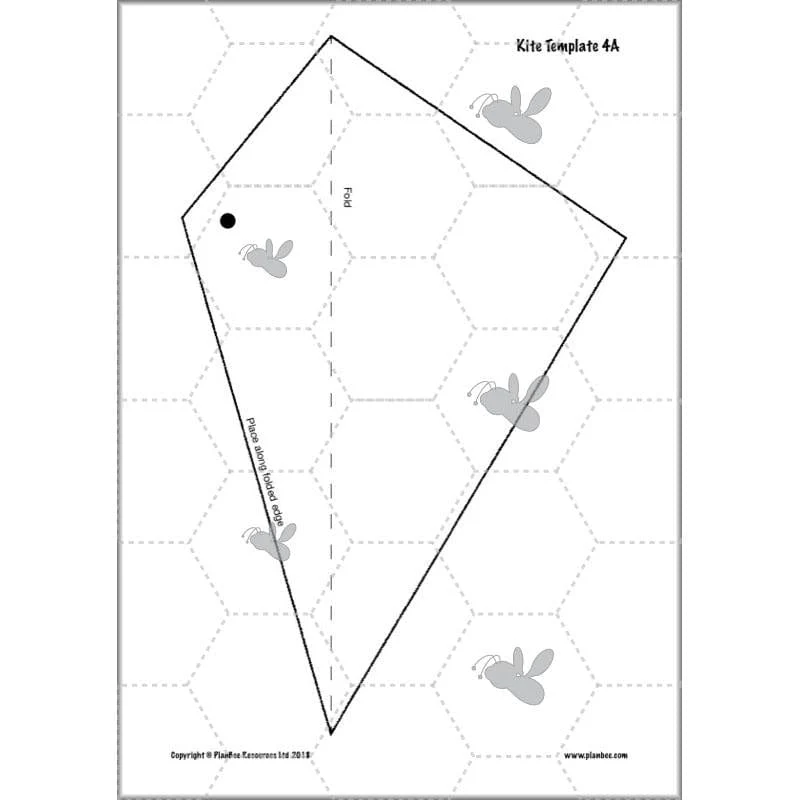
Discover how the ancient Chinese used kites for many different purposes and made them from different materials. Discuss the properties of these materials before testing different materials using prototypes. Challenge your class to decide which materials are most suitable for building a kite.
What's included:
- Lesson plan
- Slides
- Activity ideas
- Differentiated worksheets
- Kite template
Lesson 5: Designing Kites
Challenge your class to use their knowledge and understanding of materials and their properties to design a kite. Explore the different parts of a kite and how each part helps a kite fly before letting your class make informed choices about the materials they will use to build a kite. Alternatively the children could design a kite to a chosen design brief, influencing the choices they will make.
What's included:
- Lesson plan
- Slides
- Activity ideas
- Picture cards
- Differentiated worksheets
- Challenge card
Lesson 6: Making Kites
Make and evaluate your class’s designed kites taking careful consideration of the method the children choose to follow and how their finished product will meet the design criteria generated in previous lessons. Encourage the children to problem solve when they meet a challenge and use peer-evaluation to aid their self-evaluation.
What's included:
- Lesson plan
- Slides
- Activity ideas
- Differentiated worksheets
- Comment cards
Original: $4.62
-70%$4.62
$1.39Product Information
Product Information
Shipping & Returns
Shipping & Returns
Description
Use this KS2, six-lesson scheme to explore the innovative culture of ancient China and discover the inventions that have helped shape the world, including paper, the compass, gunpowder and the moveable-type printing press. With lesson plans, slideshow presentations, differentiated activities and a wide range of printable resources, these six 'Chinese Inventions' lessons contain everything you need to deliver these creative and engaging lessons.
This scheme of work is also part of a Topic Bundle. Perfect if you are teaching 'China' as a cross-curricular topic.
Lesson 1: Paper and Printing
Begin the topic by exploring the invention of paper and the moveable-type printing press. Challenge your class to reflect on how these inventions may have changed people’s lives once they had been discovered and challenge the children to take an in-depth look at the paper-making process.
What's included:
- Lesson plan
- Slides
- Activity ideas
- Differentiated worksheets
- Challenge cards
- Paper-making sheet
Lesson 2: Gunpowder and the Compass
Continue discovering China’s four greatest inventions by investigating the invention of gunpowder and the compass. Encourage your class to think about how these may have affected the everyday lives of people and on a larger scale, the ways countries were run. Challenge the children to look at the designs of existing products and change them to suit specific needs.
What's included:
- Lesson plan
- Slides
- Activity ideas
- Challenge cards
- Differentiated worksheets
- Feng Shui card
Lesson 3: Water-powered Machines
Take a closer look into the machines that were built in ancient China. Challenge your children to look at the simple designs, investigating how water wheels, gears and cranks were used to create simple machines for different purposes. Explore the way in which gears move with each other or amend the design of a water clock to create different effects.
What's included:
- Lesson plan
- Slides
- Activity ideas
- Challenge cards
- Differentiated worksheet
- Gear templates
Lesson 4: Prototyping Kites
Discover how the ancient Chinese used kites for many different purposes and made them from different materials. Discuss the properties of these materials before testing different materials using prototypes. Challenge your class to decide which materials are most suitable for building a kite.
What's included:
- Lesson plan
- Slides
- Activity ideas
- Differentiated worksheets
- Kite template
Lesson 5: Designing Kites
Challenge your class to use their knowledge and understanding of materials and their properties to design a kite. Explore the different parts of a kite and how each part helps a kite fly before letting your class make informed choices about the materials they will use to build a kite. Alternatively the children could design a kite to a chosen design brief, influencing the choices they will make.
What's included:
- Lesson plan
- Slides
- Activity ideas
- Picture cards
- Differentiated worksheets
- Challenge card
Lesson 6: Making Kites
Make and evaluate your class’s designed kites taking careful consideration of the method the children choose to follow and how their finished product will meet the design criteria generated in previous lessons. Encourage the children to problem solve when they meet a challenge and use peer-evaluation to aid their self-evaluation.
What's included:
- Lesson plan
- Slides
- Activity ideas
- Differentiated worksheets
- Comment cards