

























Plant Art
Immerse your class in the beauty of nature with these seven ‘Plant Art’ lessons for Y3/4. Children will be introduced to a variety of plant-themed artworks created by famous artists, and encouraged to express their opinions of them. They will learn how to make careful observations, mix different tints, shades and tones of colour, and create the illusion of depth within a picture. They will also have the opportunity to create their own 3D flower sculpture from clay. The final lesson culminates in children planning and creating their own artwork using all the skills that they have learnt.
With detailed lesson plans, slides, and a range of printable resources, you will find everything you need to teach this Year 3/4 ‘Plant Art’ scheme of work to your class, who will soon be creating their very own plant-inspired artworks!
This scheme of work is also part of a Topic Bundle. Perfect if you are teaching 'Plants' as a cross-curricular topic.
Lesson 1: Appreciating the Work of other Artists
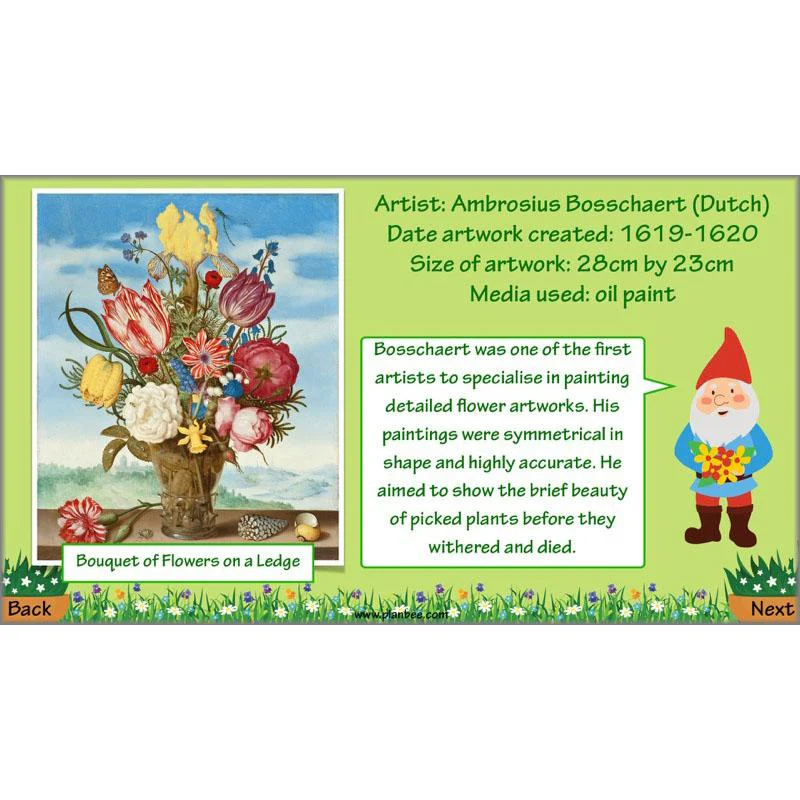
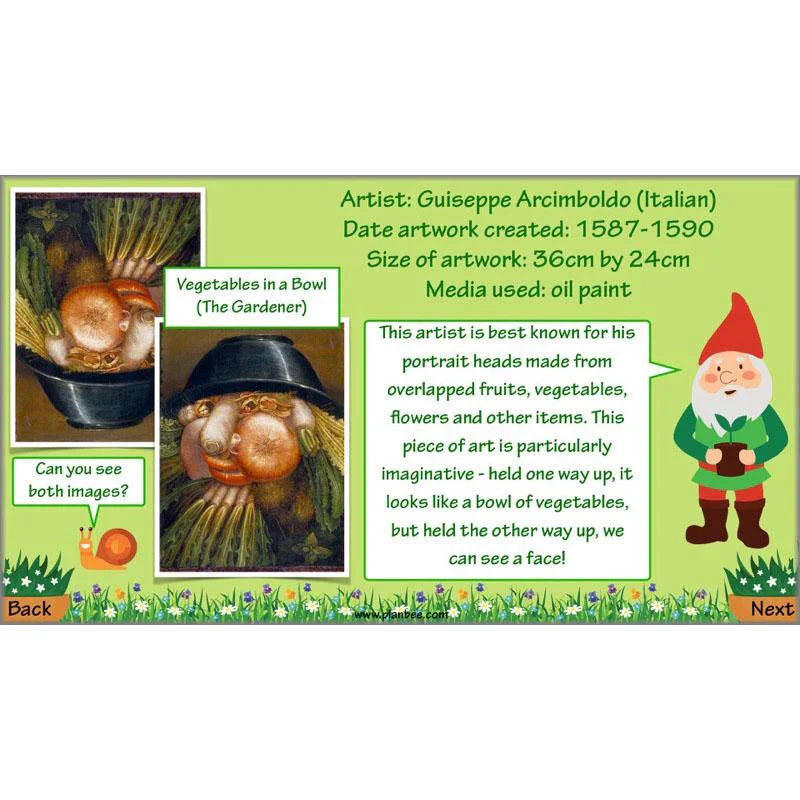
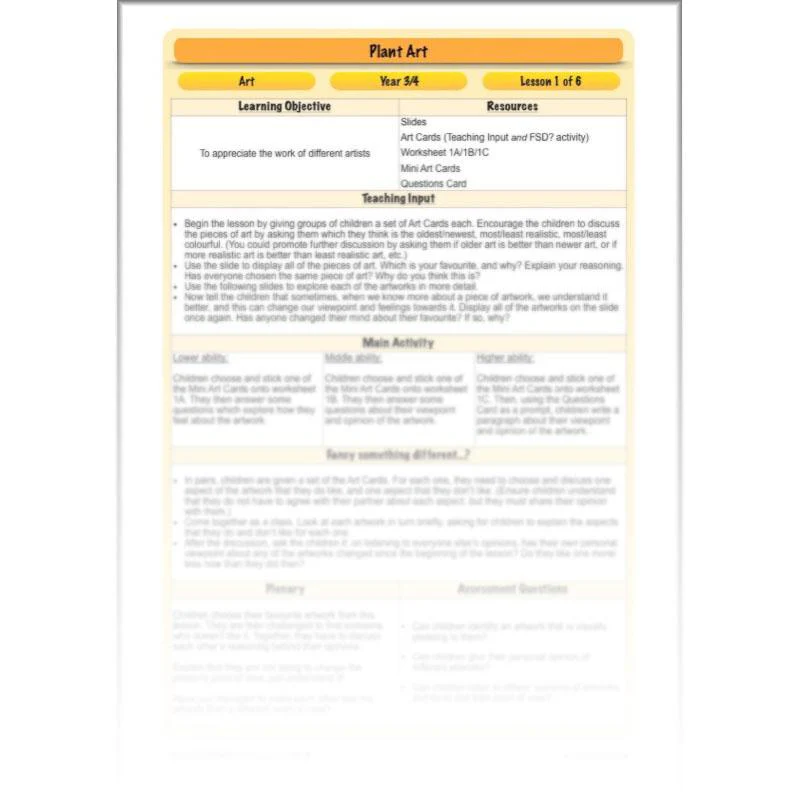
In this first lesson, children look at and discuss a variety of different plant-themed artworks, by different artists, created in different periods of time. In their independent activities, children choose one artwork to explore their opinion of in more detail. In the alternative activity, children look at each artwork in pairs, expressing what they like and don’t like about each one, and sharing their reasoning.
What's included:
- Lesson plan
- Slides
- Activity ideas
- Differentiated Worksheets
- Art Cards
- Mini Art Cards
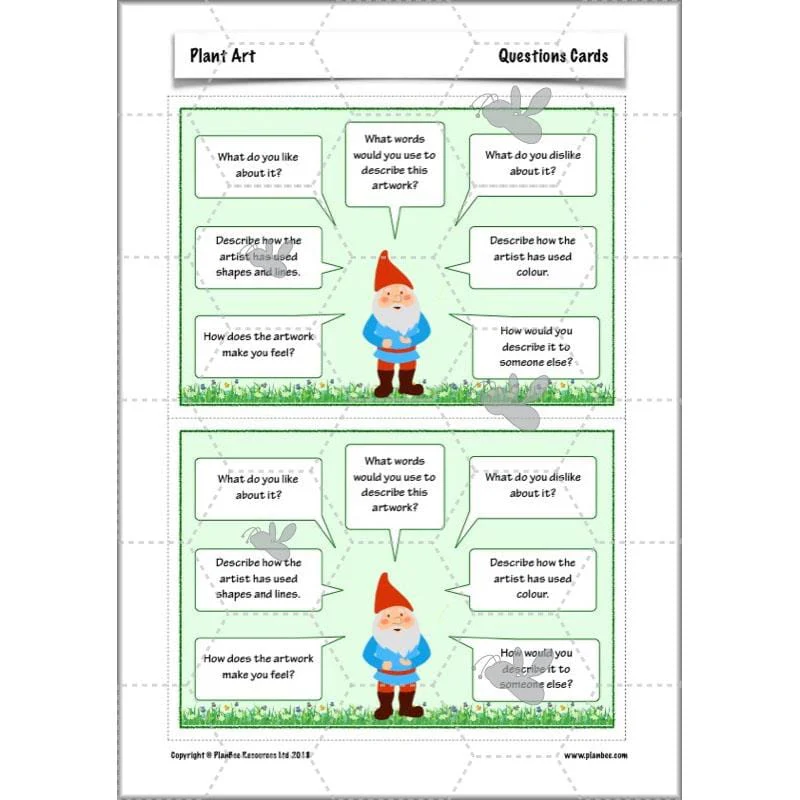
- Questions Card
Lesson 2: Botanical Illustrations
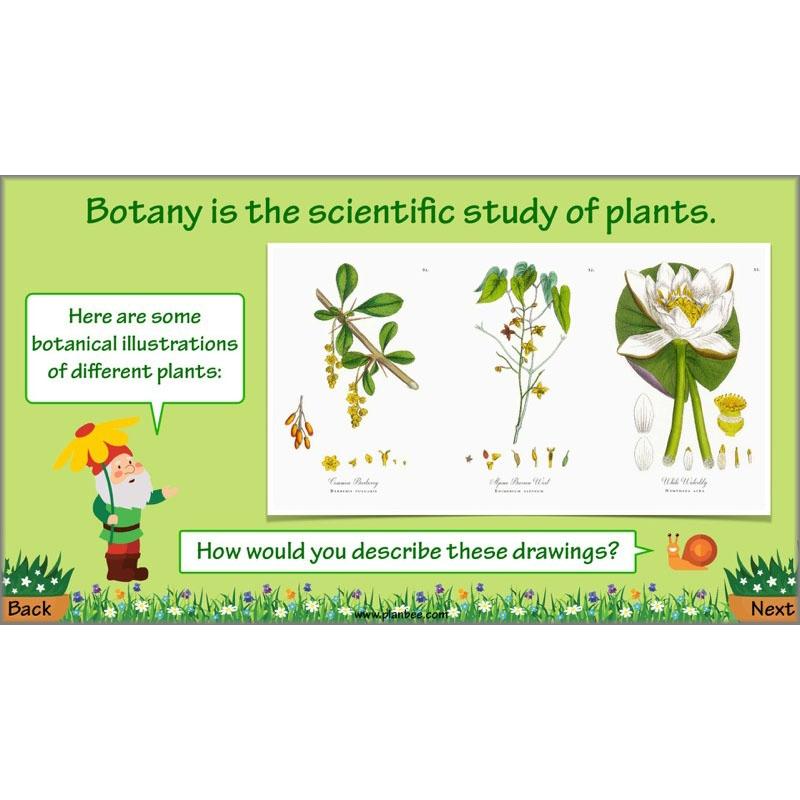
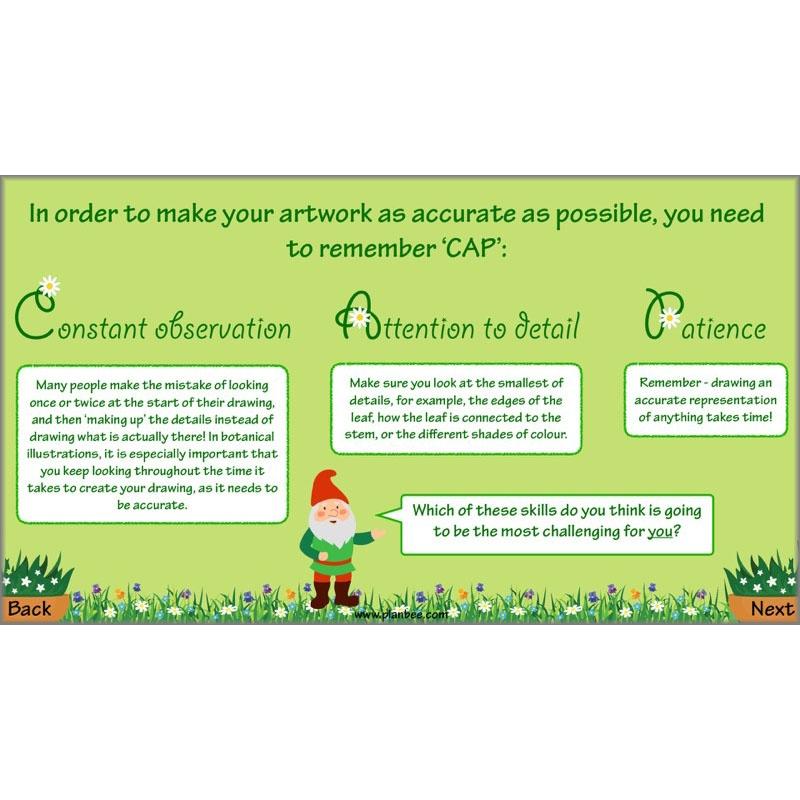
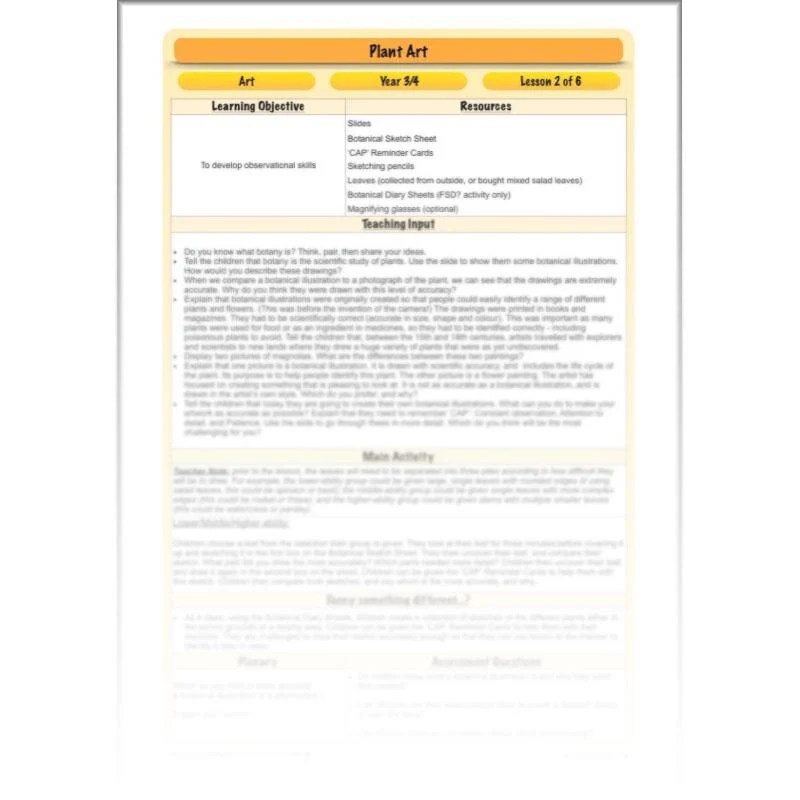
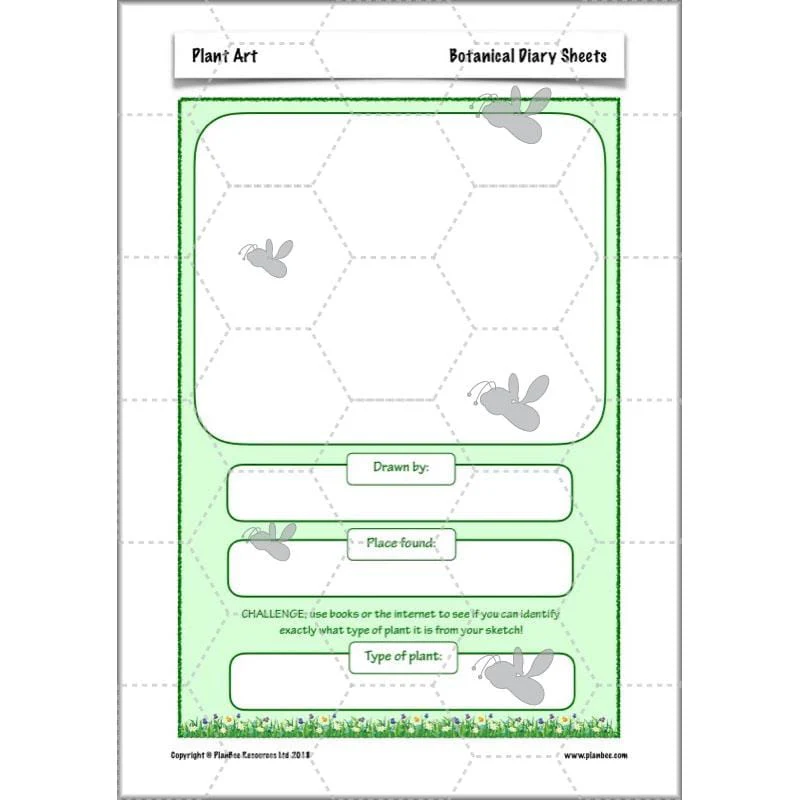
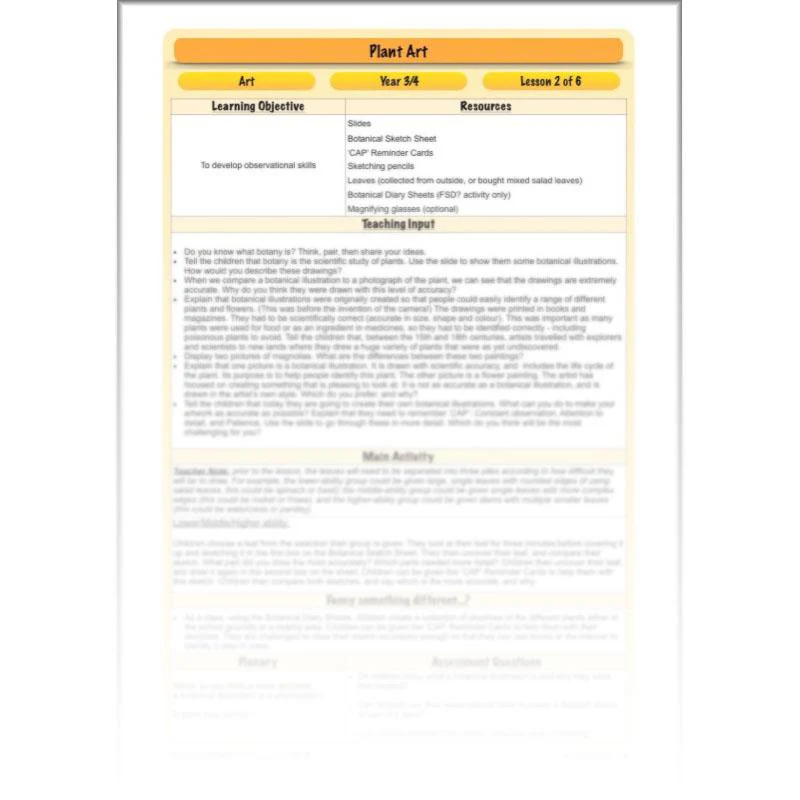
Children find out what botanical illustrations are, and the original reasons for which they were created. They first look at the differences between these types of illustrations and other paintings of plants. Children then discuss how they can create detailed illustrations like these, by using constant observation, attention to detail, and patience. In their independent activities, they practise these skills by drawing sketches of leaves. In the alternative activity, the children create a class botanical diary of the plants in their school grounds or area.
What's included:
- Lesson plan
- Slides
- Activity ideas
- Botanical Sketch Sheet
- ‘CAP’ Reminder Cards
- Botanical Diary Sheets
Lesson 3: Tints, Shades and Tones of Colour
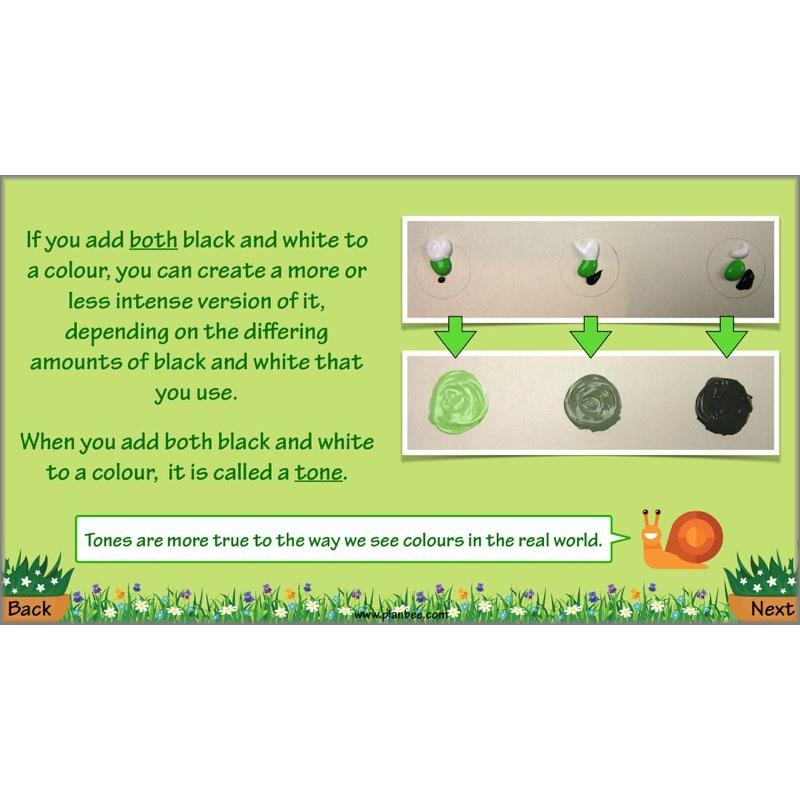
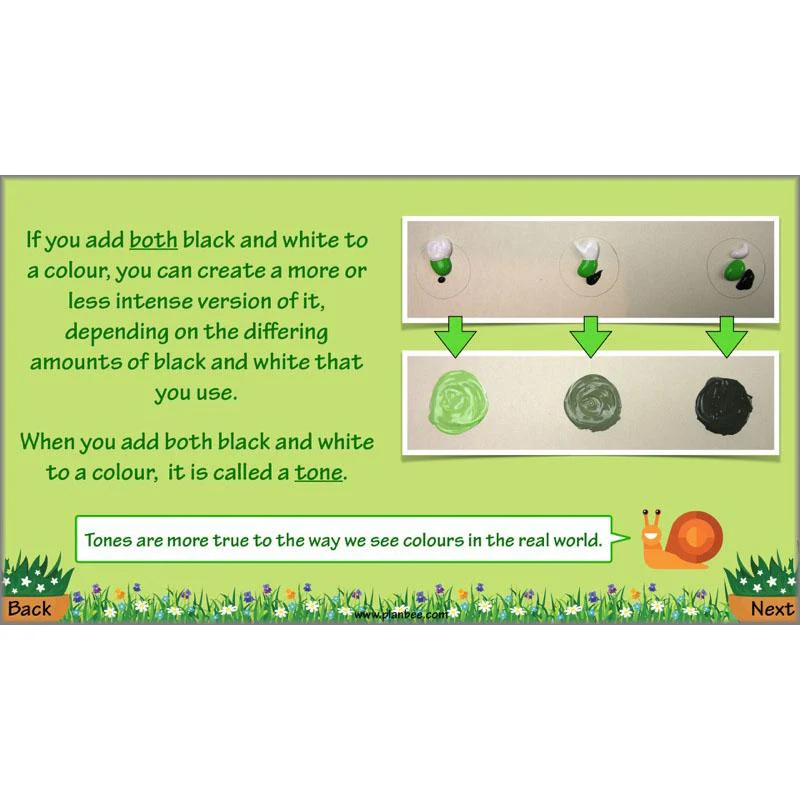
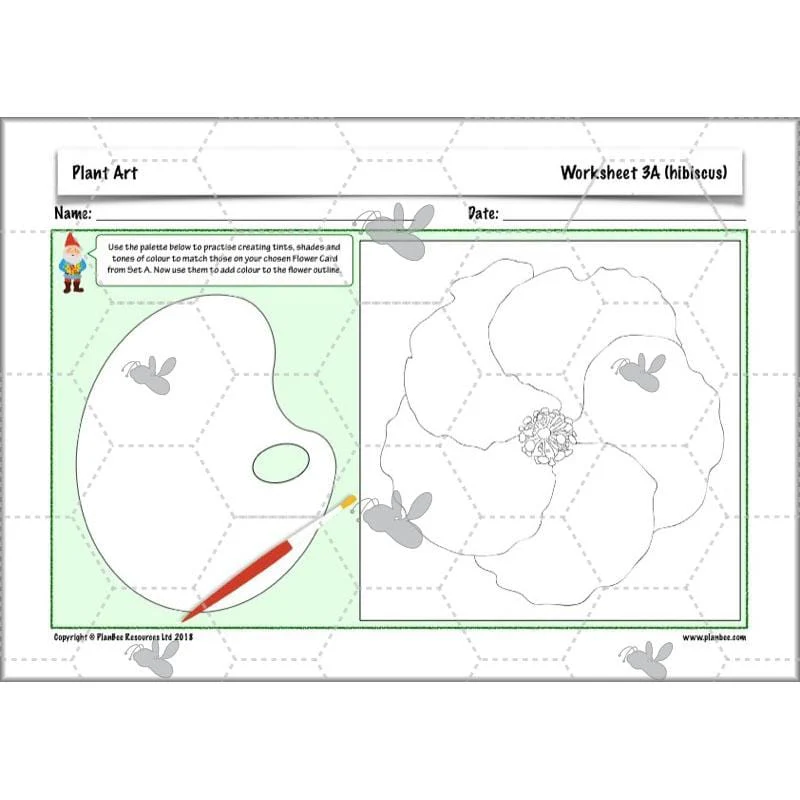
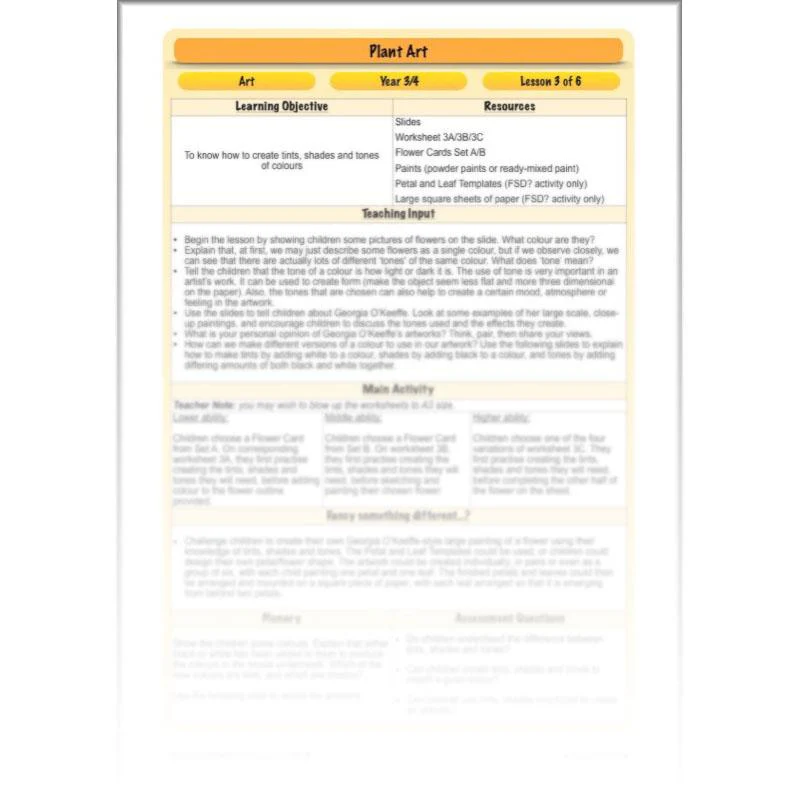
In this lesson, children examine colour more closely. They learn how different tones of colour can be used to create different effects in an artwork, and use the work of Georgia O’Keeffe to explore this. Children learn how to mix tints, shades and tones of a colour. They then apply this knowledge to their independent work, where they are challenged to paint a flower from given photographs. Alternatively, as a group, children paint separate petals and leaves, then combine them to create a large Georgia O’Keeffe-style flower painting.
What's included:
- Lesson plan
- Slides
- Activity ideas
- Differentiated worksheets
- Flower Cards
- Petal and Leaf Templates
- Instructions Sheet
Lesson 4: Orla Kiely
In this lesson, children will find out about Orla Kiely and look at some examples of her artwork. They will recap what tones, tints, hues and shades are before making their own printing blocks. They will use these blocks to create their own leaf print designs. The lesson ends by challenging children to name famous designers.
What's included:
- Lesson plan
- Slides
- Activity ideas
- Differentiated Worksheets
- Design Cards
- Leaf Shape Templates
Lesson 5: Creating Depth
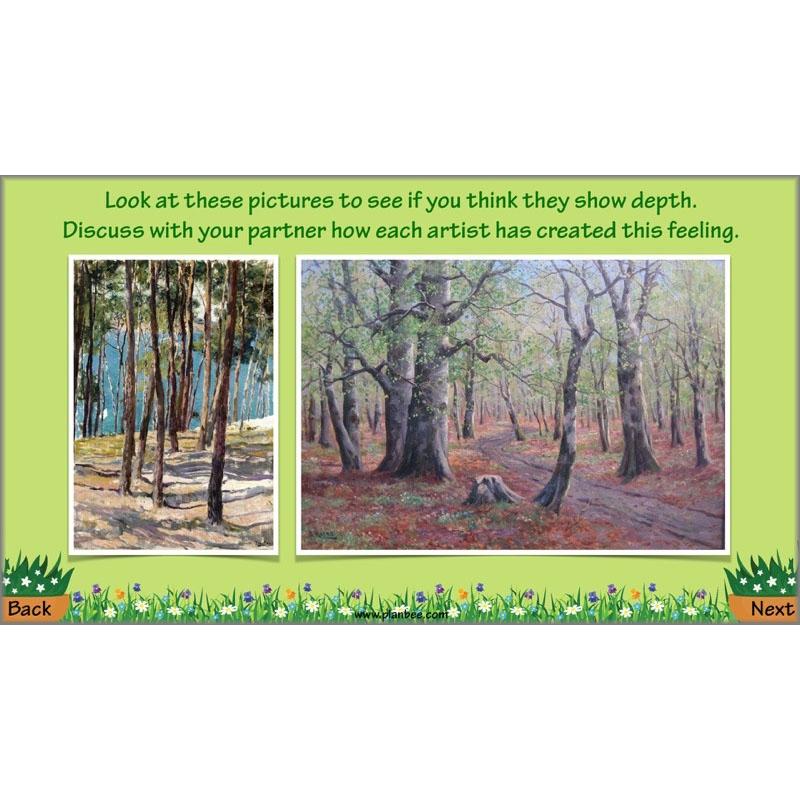
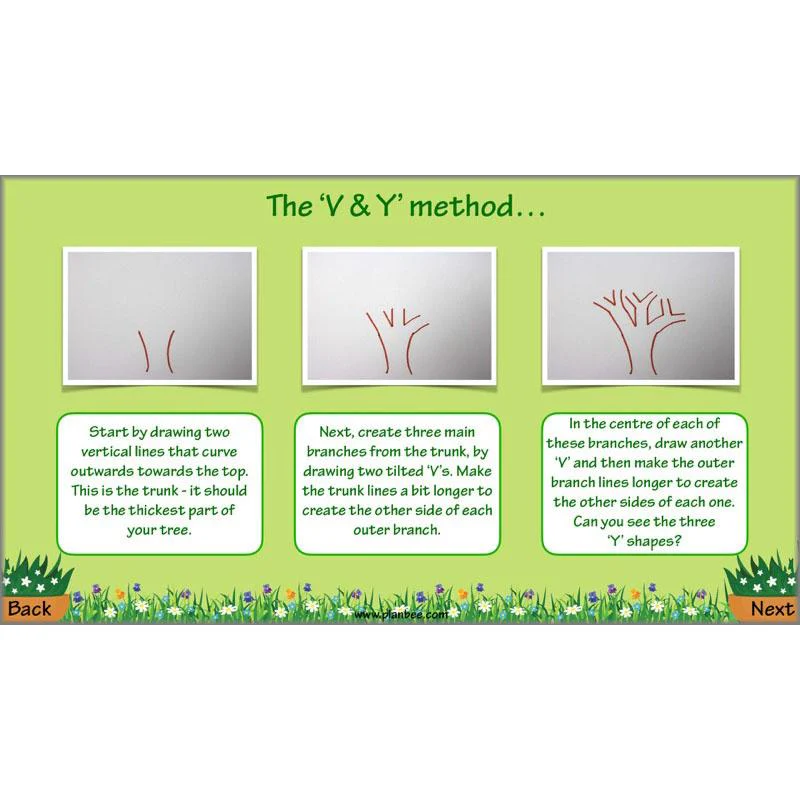
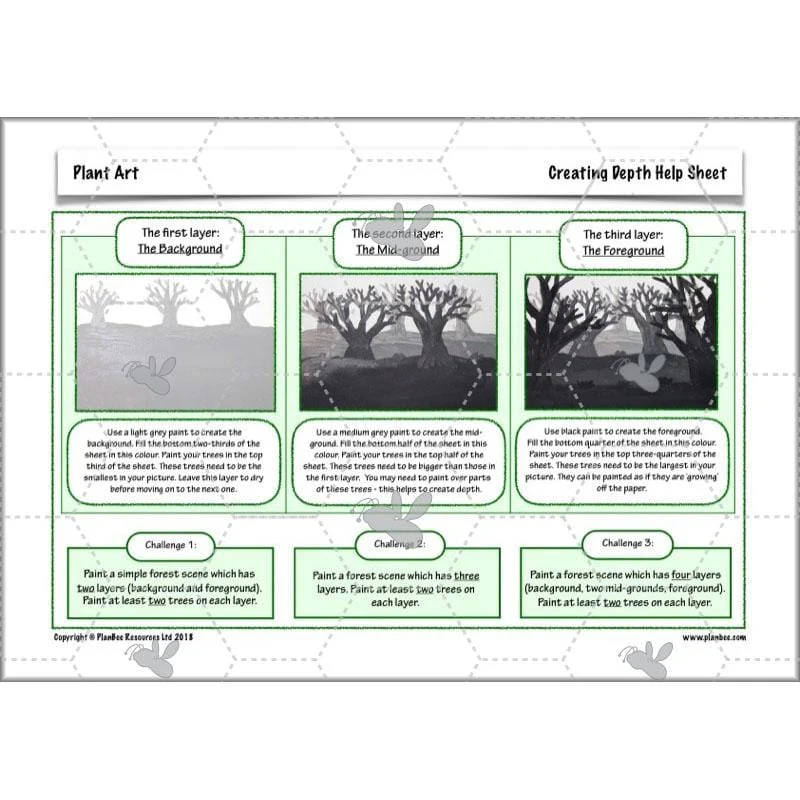
Children first learn and practise how to draw a tree, focusing in particular on the branches. They then explore what depth is, and how it can be created in an artwork. Children use both their skill of how to draw a tree and their understanding of depth to create their own forest scene in the independent activity. In the alternative activity, children will use layers of coloured card to create depth in their artwork.
What's included:
- Lesson plan
- Slides
- Activity ideas
- How to Draw a Tree Help Sheet
- Creating Depth Help Sheet
- Tree Templates
- Depth by Layering Instruction Sheet
Lesson 6: Sculpting Clay
In this lesson, children learn what a sculpture is, and what materials they can be made out of. They focus on sculptures made from clay, and find out how to add or remove bits of clay to create detail. In their independent activities, children are challenged to make their own flower-themed artwork from clay, in the form of a flower bowl, or a 3D flower sculpture.
What's included:
- Lesson plan
- Slides
- Activity ideas
- Flower Bowl Template Sheet
- Flower Bowl Instruction Sheet
- Flower Bowl Challenge Cards
- Flower Sculpture Instruction Sheet
Lesson 7: Planning and Creating an Artwork
In this final lesson, children use all of the skills and knowledge they have gained in the previous lessons to discuss how they might recreate pictures of different plants as artworks. In their independent lessons, children choose one of these plants to plan and create a piece of artwork for. In the alternative activity, children are challenged to use nature itself as the media or tools with which to create a piece of art.
What's included:
- Lesson plan
- Slides
- Activity ideas
- Picture Cards
- Question Cards
- Differentiated worksheets
- Challenge Card
Original: $4.62
-70%$4.62
$1.39Product Information
Product Information
Shipping & Returns
Shipping & Returns
Description
Immerse your class in the beauty of nature with these seven ‘Plant Art’ lessons for Y3/4. Children will be introduced to a variety of plant-themed artworks created by famous artists, and encouraged to express their opinions of them. They will learn how to make careful observations, mix different tints, shades and tones of colour, and create the illusion of depth within a picture. They will also have the opportunity to create their own 3D flower sculpture from clay. The final lesson culminates in children planning and creating their own artwork using all the skills that they have learnt.
With detailed lesson plans, slides, and a range of printable resources, you will find everything you need to teach this Year 3/4 ‘Plant Art’ scheme of work to your class, who will soon be creating their very own plant-inspired artworks!
This scheme of work is also part of a Topic Bundle. Perfect if you are teaching 'Plants' as a cross-curricular topic.
Lesson 1: Appreciating the Work of other Artists
In this first lesson, children look at and discuss a variety of different plant-themed artworks, by different artists, created in different periods of time. In their independent activities, children choose one artwork to explore their opinion of in more detail. In the alternative activity, children look at each artwork in pairs, expressing what they like and don’t like about each one, and sharing their reasoning.
What's included:
- Lesson plan
- Slides
- Activity ideas
- Differentiated Worksheets
- Art Cards
- Mini Art Cards
- Questions Card
Lesson 2: Botanical Illustrations
Children find out what botanical illustrations are, and the original reasons for which they were created. They first look at the differences between these types of illustrations and other paintings of plants. Children then discuss how they can create detailed illustrations like these, by using constant observation, attention to detail, and patience. In their independent activities, they practise these skills by drawing sketches of leaves. In the alternative activity, the children create a class botanical diary of the plants in their school grounds or area.
What's included:
- Lesson plan
- Slides
- Activity ideas
- Botanical Sketch Sheet
- ‘CAP’ Reminder Cards
- Botanical Diary Sheets
Lesson 3: Tints, Shades and Tones of Colour
In this lesson, children examine colour more closely. They learn how different tones of colour can be used to create different effects in an artwork, and use the work of Georgia O’Keeffe to explore this. Children learn how to mix tints, shades and tones of a colour. They then apply this knowledge to their independent work, where they are challenged to paint a flower from given photographs. Alternatively, as a group, children paint separate petals and leaves, then combine them to create a large Georgia O’Keeffe-style flower painting.
What's included:
- Lesson plan
- Slides
- Activity ideas
- Differentiated worksheets
- Flower Cards
- Petal and Leaf Templates
- Instructions Sheet
Lesson 4: Orla Kiely
In this lesson, children will find out about Orla Kiely and look at some examples of her artwork. They will recap what tones, tints, hues and shades are before making their own printing blocks. They will use these blocks to create their own leaf print designs. The lesson ends by challenging children to name famous designers.
What's included:
- Lesson plan
- Slides
- Activity ideas
- Differentiated Worksheets
- Design Cards
- Leaf Shape Templates
Lesson 5: Creating Depth
Children first learn and practise how to draw a tree, focusing in particular on the branches. They then explore what depth is, and how it can be created in an artwork. Children use both their skill of how to draw a tree and their understanding of depth to create their own forest scene in the independent activity. In the alternative activity, children will use layers of coloured card to create depth in their artwork.
What's included:
- Lesson plan
- Slides
- Activity ideas
- How to Draw a Tree Help Sheet
- Creating Depth Help Sheet
- Tree Templates
- Depth by Layering Instruction Sheet
Lesson 6: Sculpting Clay
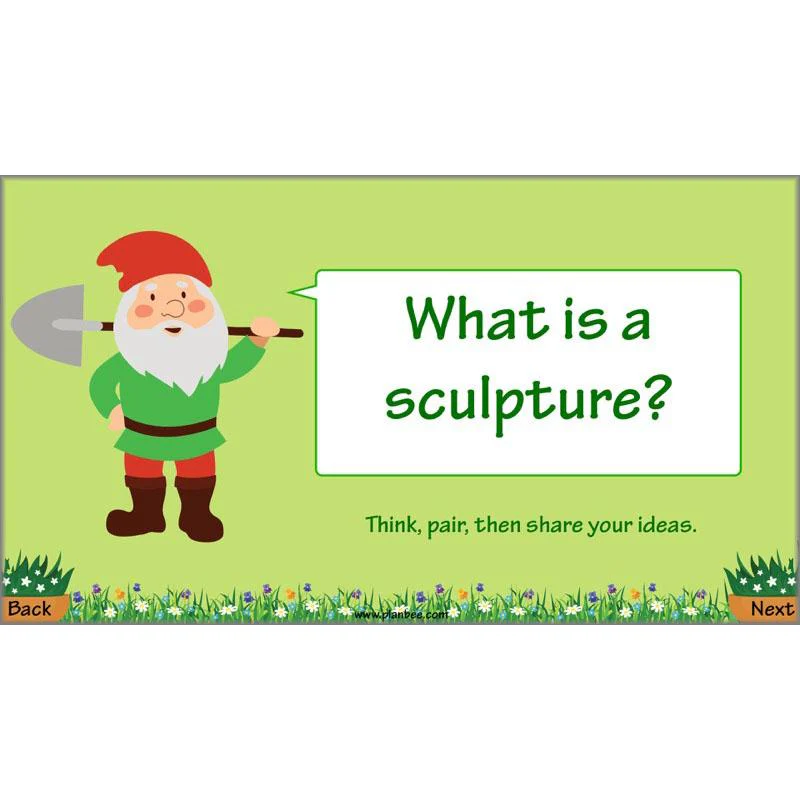
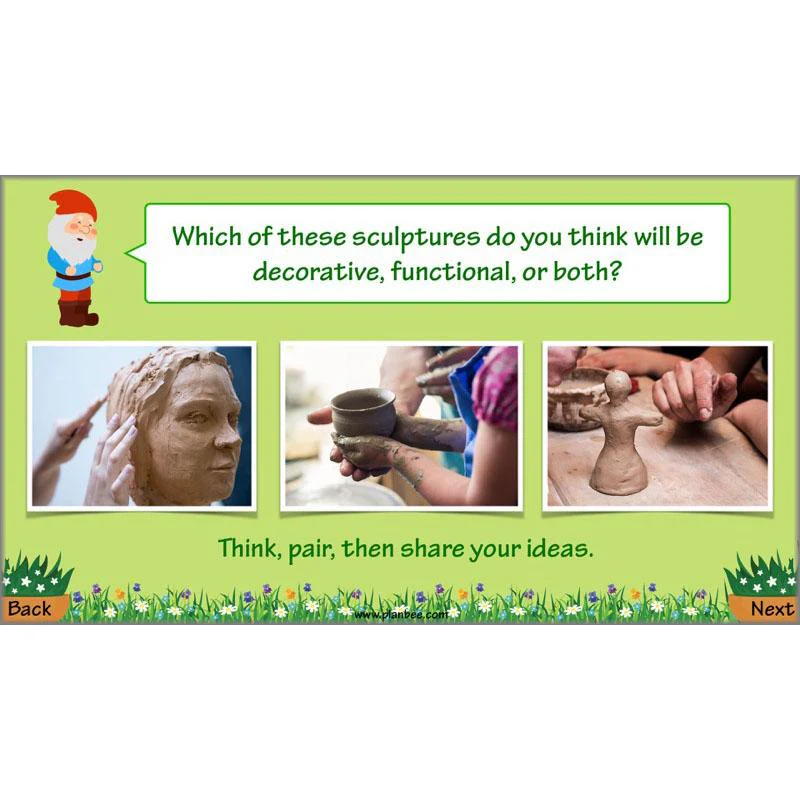
In this lesson, children learn what a sculpture is, and what materials they can be made out of. They focus on sculptures made from clay, and find out how to add or remove bits of clay to create detail. In their independent activities, children are challenged to make their own flower-themed artwork from clay, in the form of a flower bowl, or a 3D flower sculpture.
What's included:
- Lesson plan
- Slides
- Activity ideas
- Flower Bowl Template Sheet
- Flower Bowl Instruction Sheet
- Flower Bowl Challenge Cards
- Flower Sculpture Instruction Sheet
Lesson 7: Planning and Creating an Artwork
In this final lesson, children use all of the skills and knowledge they have gained in the previous lessons to discuss how they might recreate pictures of different plants as artworks. In their independent lessons, children choose one of these plants to plan and create a piece of artwork for. In the alternative activity, children are challenged to use nature itself as the media or tools with which to create a piece of art.
What's included:
- Lesson plan
- Slides
- Activity ideas
- Picture Cards
- Question Cards
- Differentiated worksheets
- Challenge Card