




















What do Muslims Celebrate?
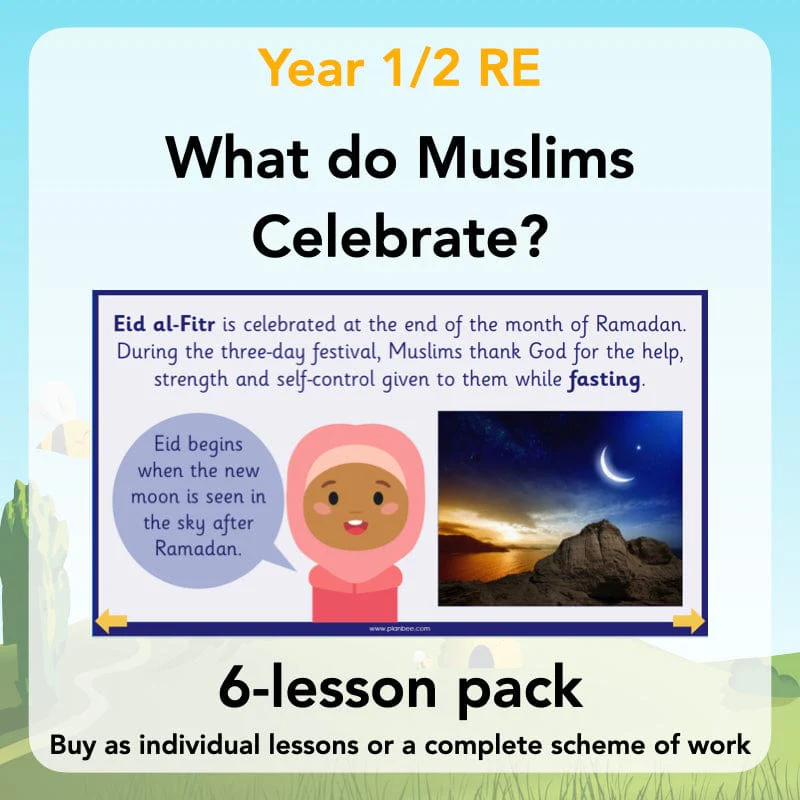
Explore some different Muslim celebrations in this complete 'What do Muslims Celebrate?' scheme of work. Your class will learn about Islamic New Year, the Day of Ashura, Mawlid al-Nabi, Ramadan, Eid al-Fitr and Hajj through a range of activities.
This engaging series of RE lessons for KS1 comes with lesson plans, a choice of learning activities, differentiated worksheets, slides and a whole range of other teaching resources.
Don't forget to view our other RE schemes of work about Islam.
A Knowledge Organiser is available to support the learning in this scheme. It is included in the Complete Series download or can be purchased individually.
Islamic New Year
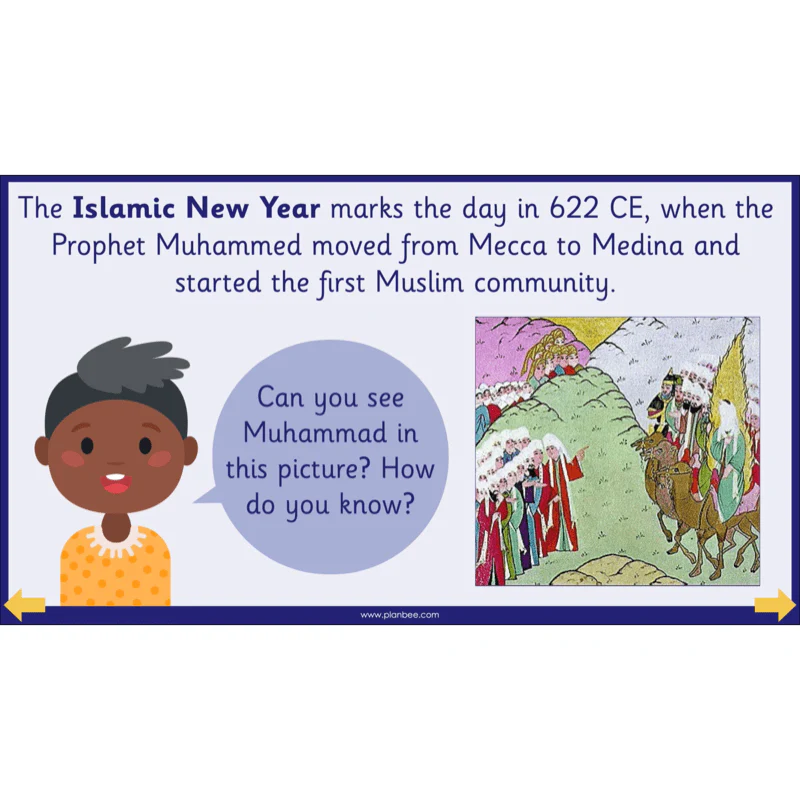
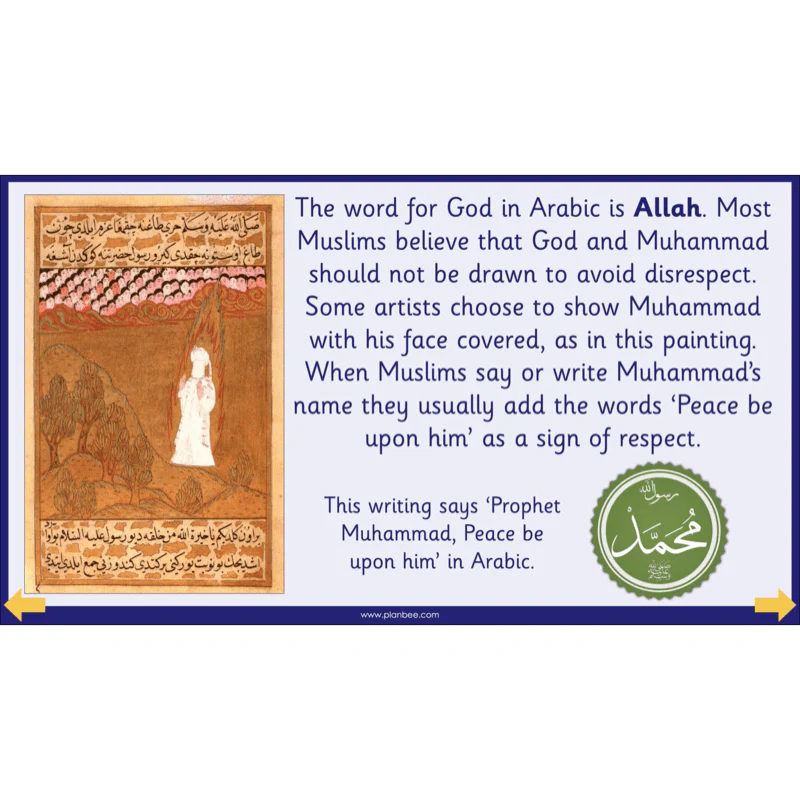
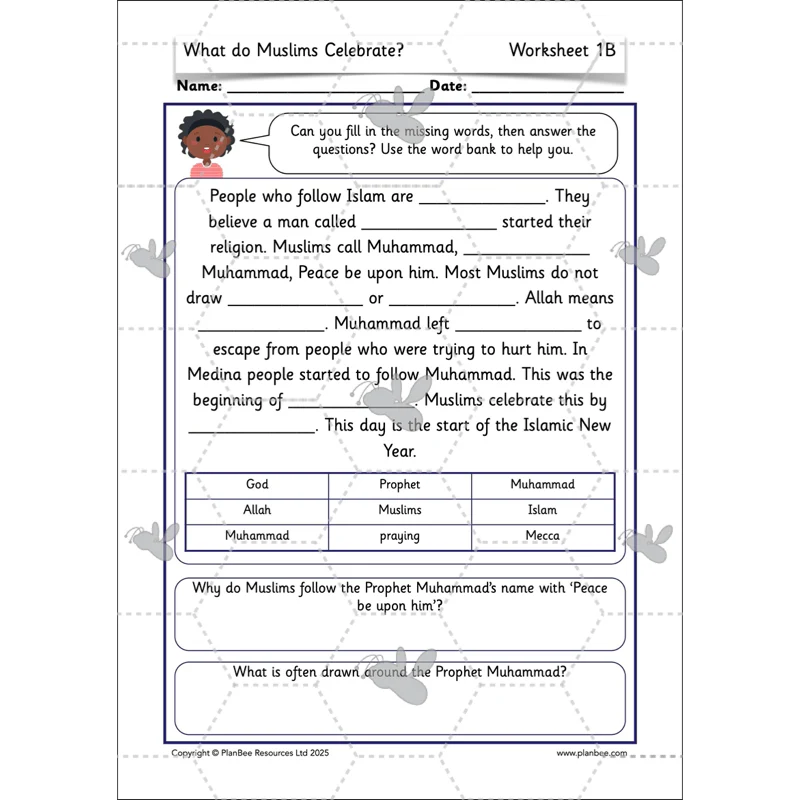
In the first lesson of this RE scheme of work, your class will find out how Islam began. They will learn that people who follow Islam are Muslims and will discover why, how and when the Prophet Muhammad founded Islam.
What's included:
- Lesson plan
- Slides
- Activity ideas
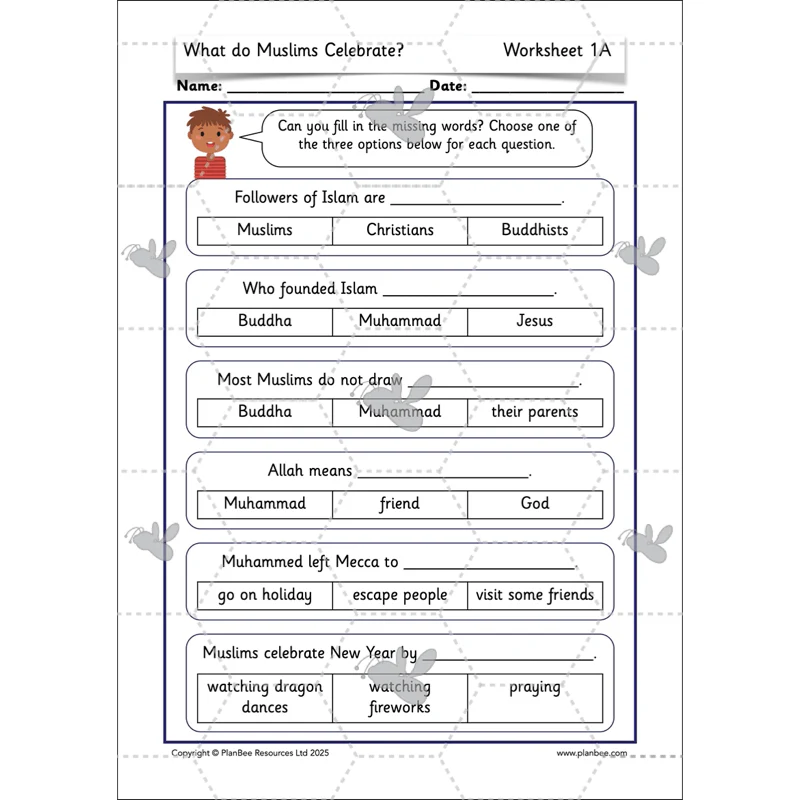
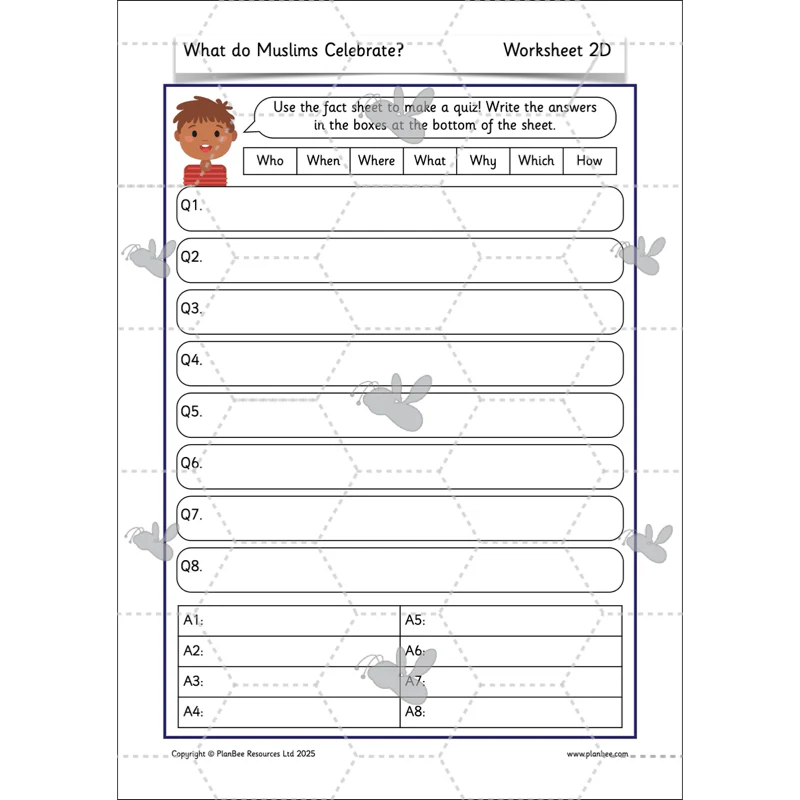
- Differentiated worksheets
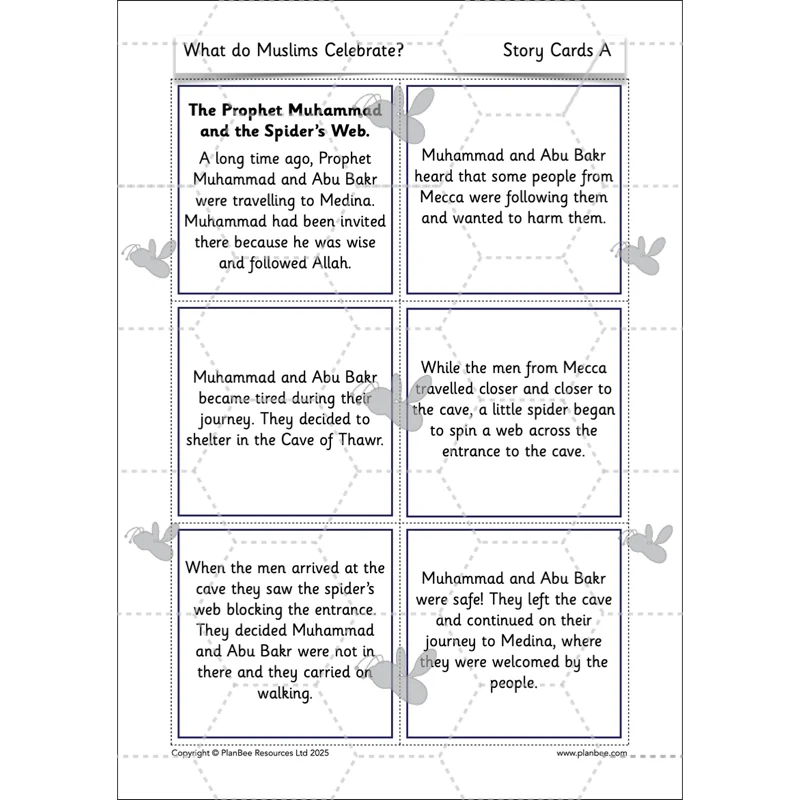
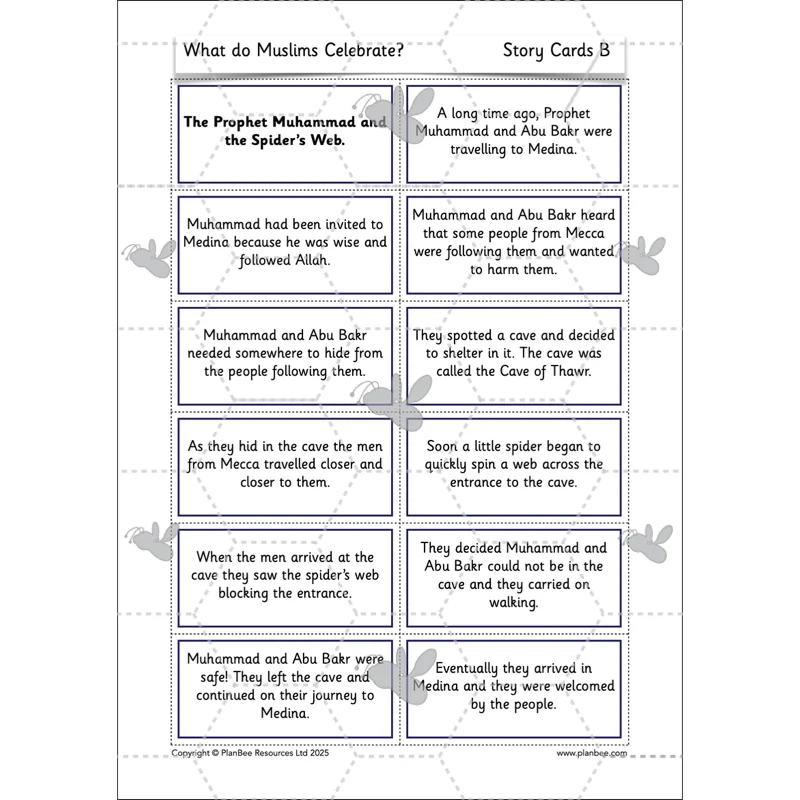
- Differentiated story cards
Day of Ashura
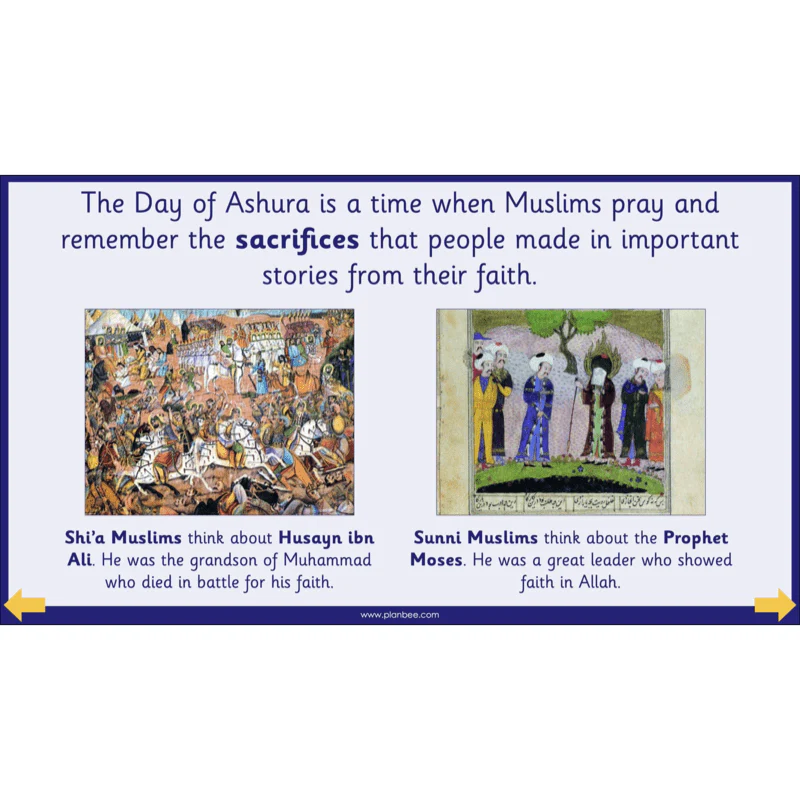
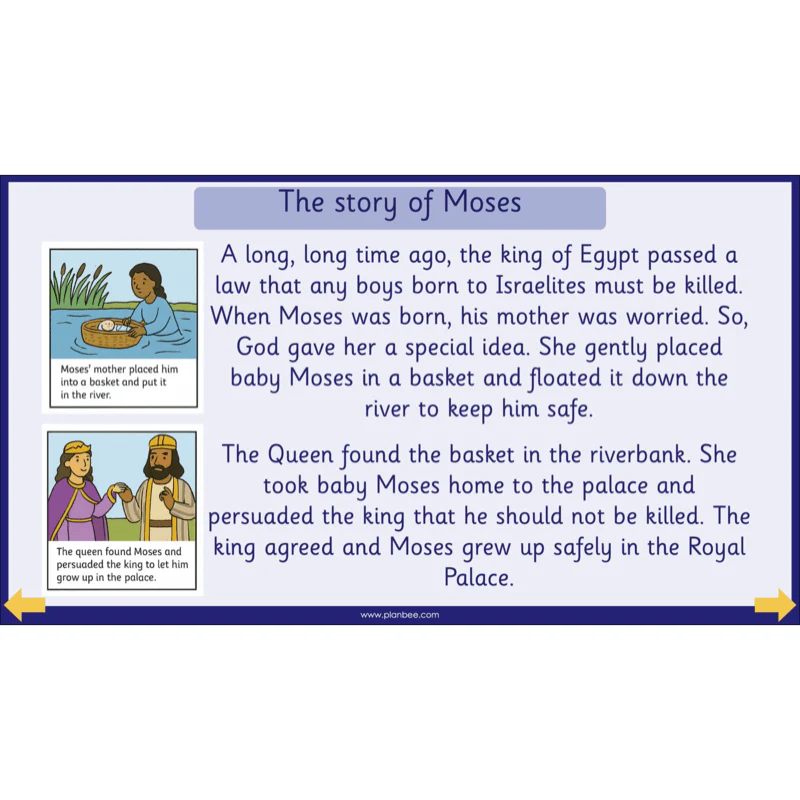
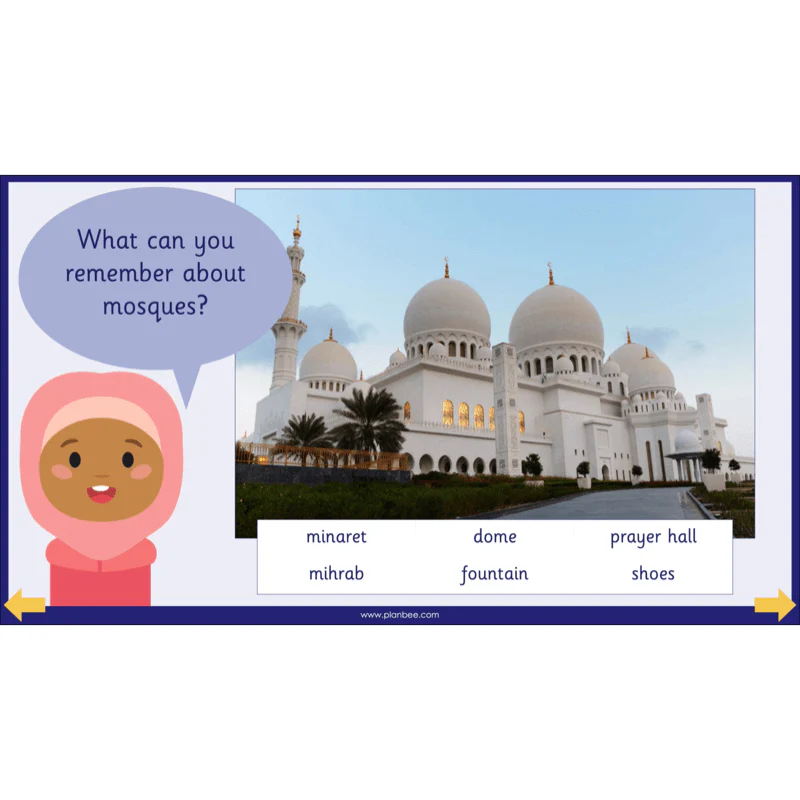
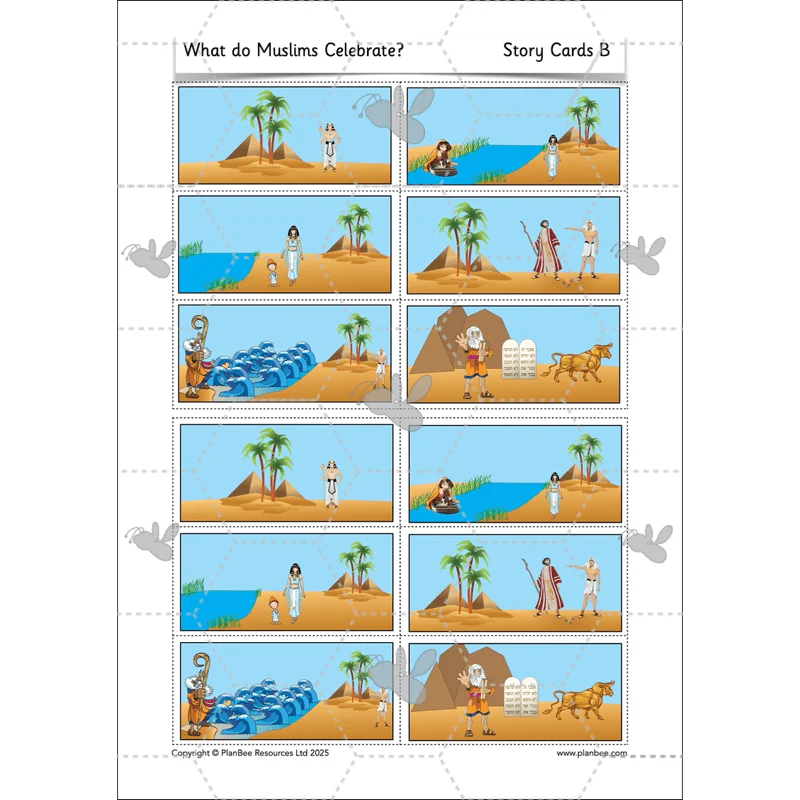
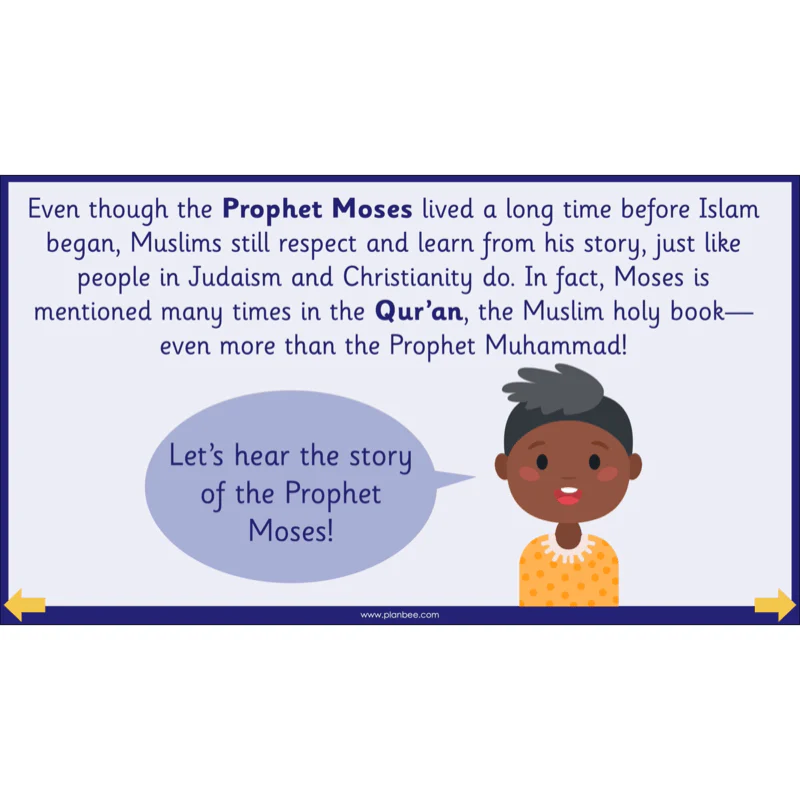
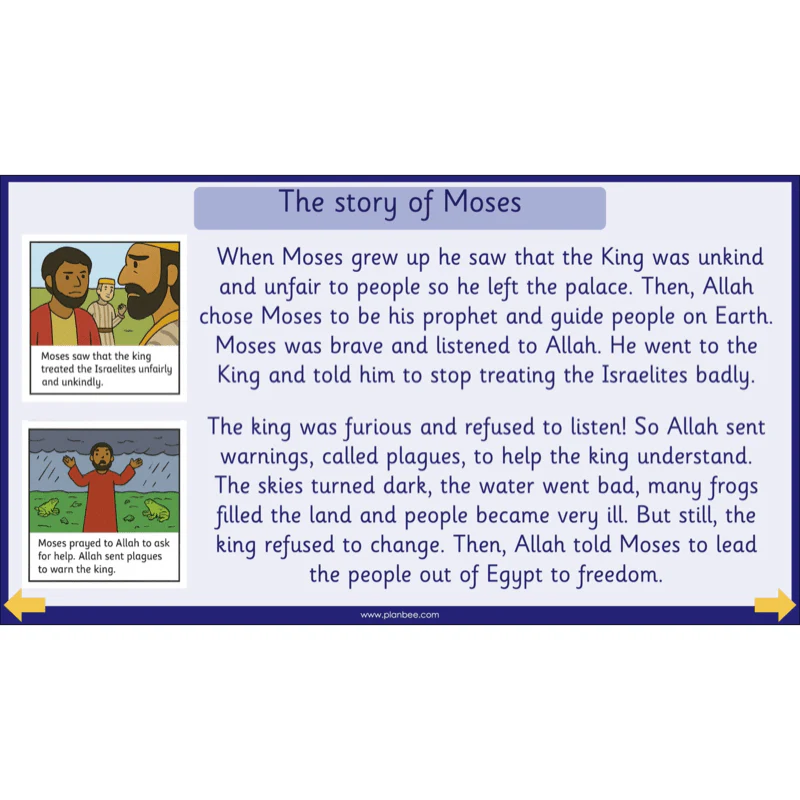
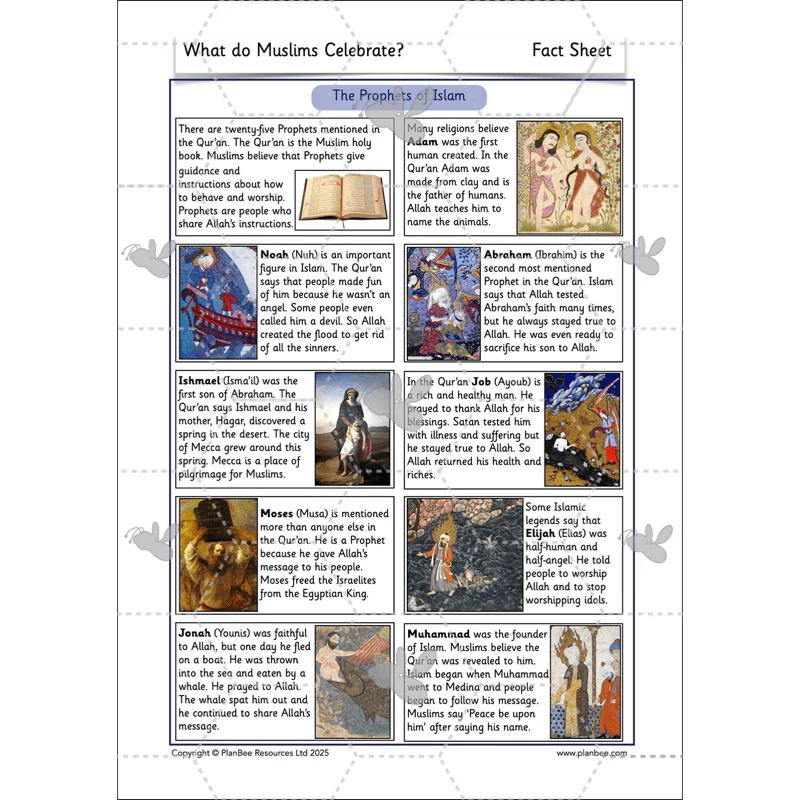
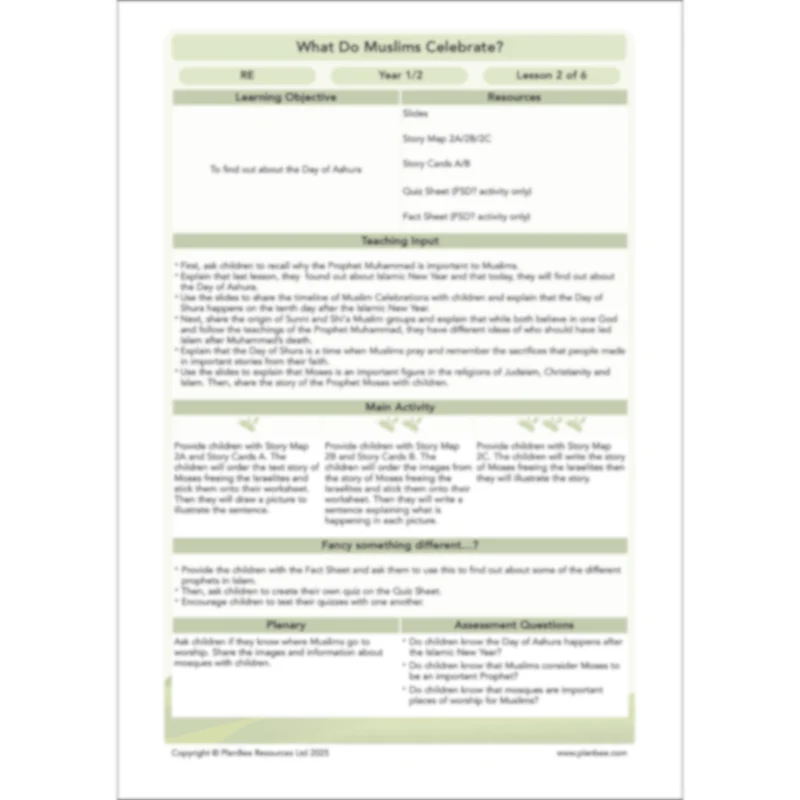
During the second lesson in this series, your class will think about what the Day of Ashura means to Muslims. They will find out that Shi'a and Sunni Muslims observe this day in different ways. During this lesson your class can either explore the story of Moses freeing the Israelites or they can find out about some of the important prophets in Islam. There is also the chance to find out about mosques during the plenary of this lesson.
What's included:
- Lesson plan
- Slides
- Activity ideas
- Differentiated worksheets
- Differentiated story cards
- Fact sheet
Mawlid al-Nabi
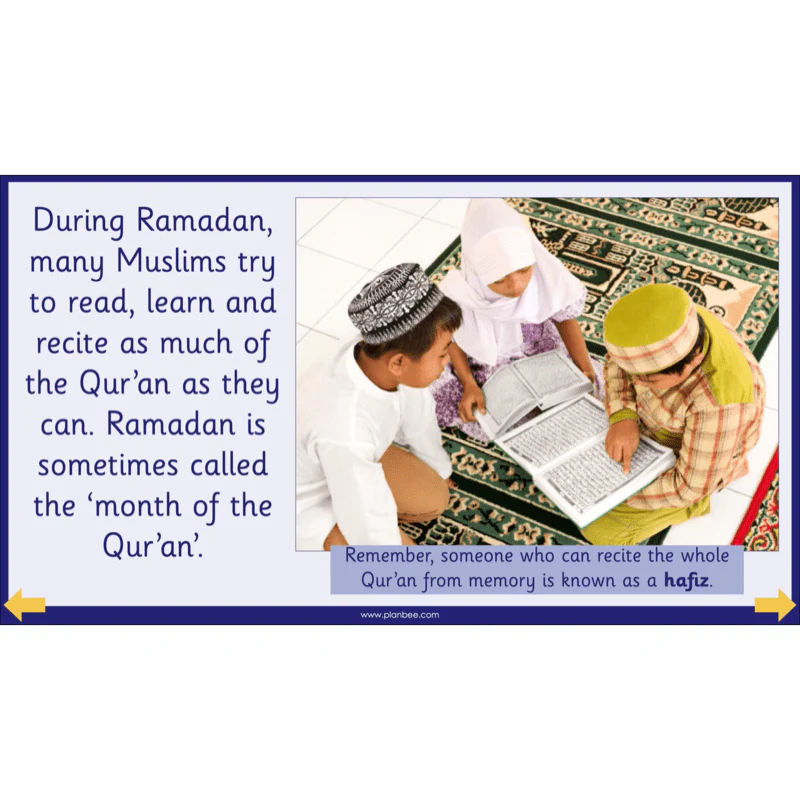
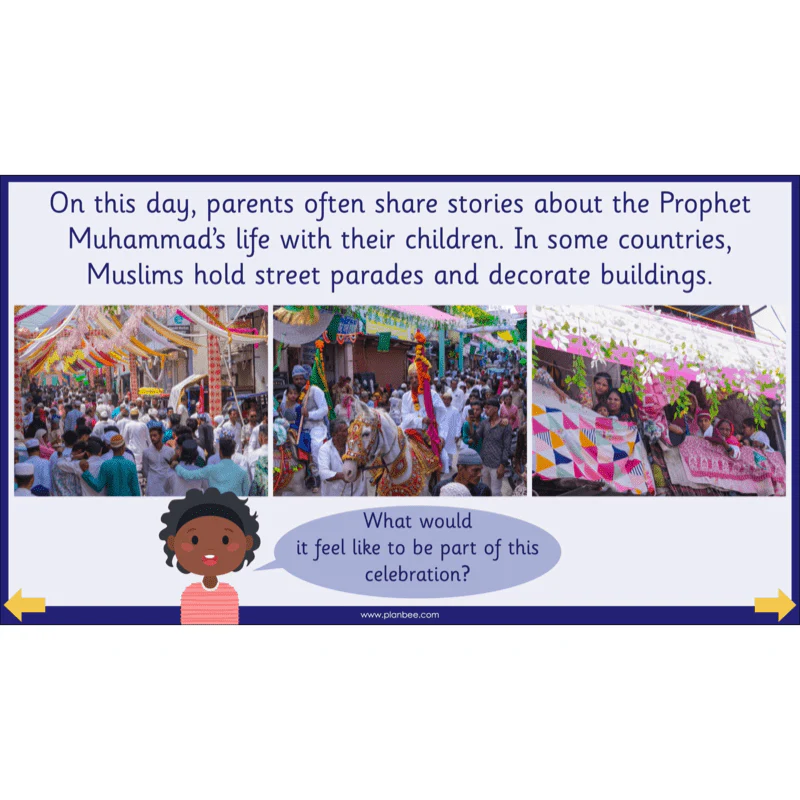
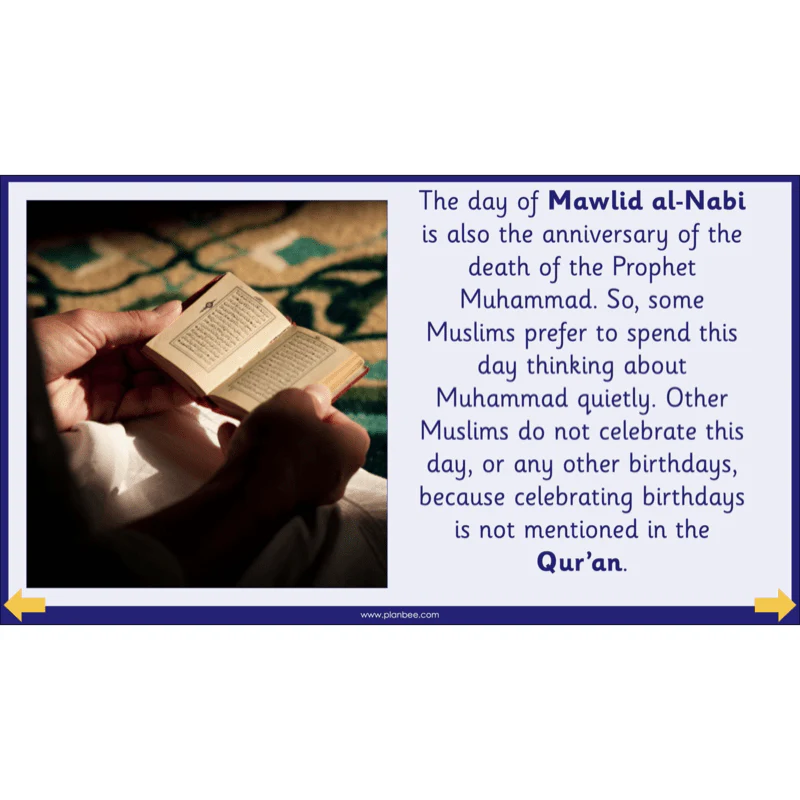
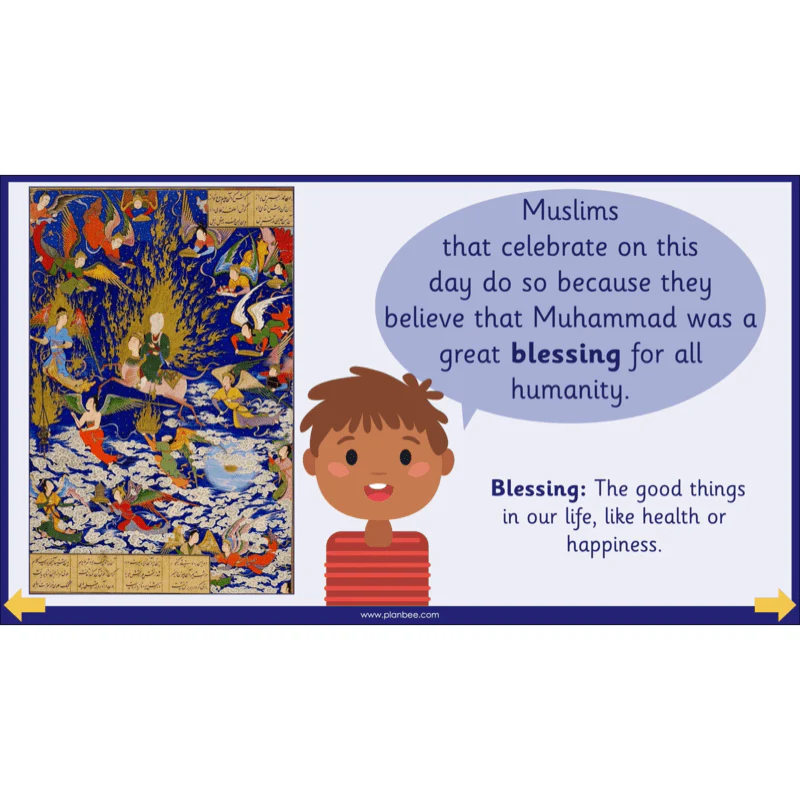
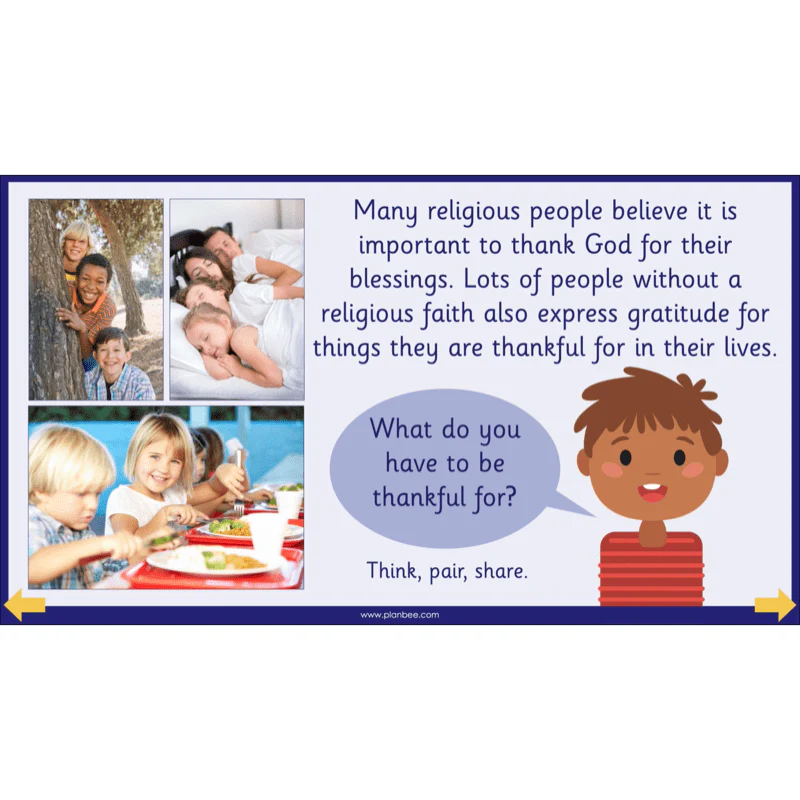
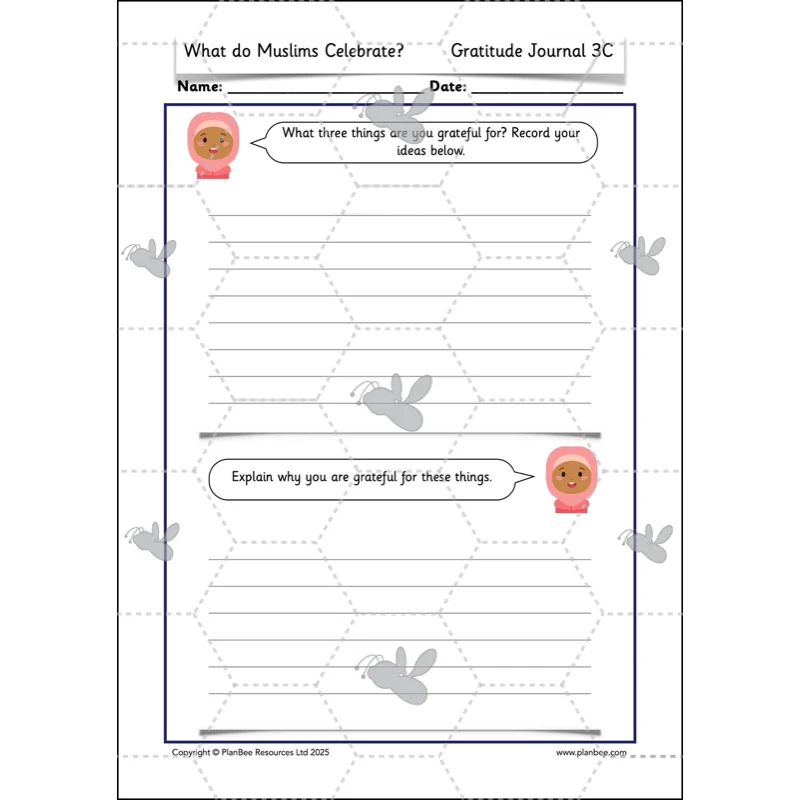
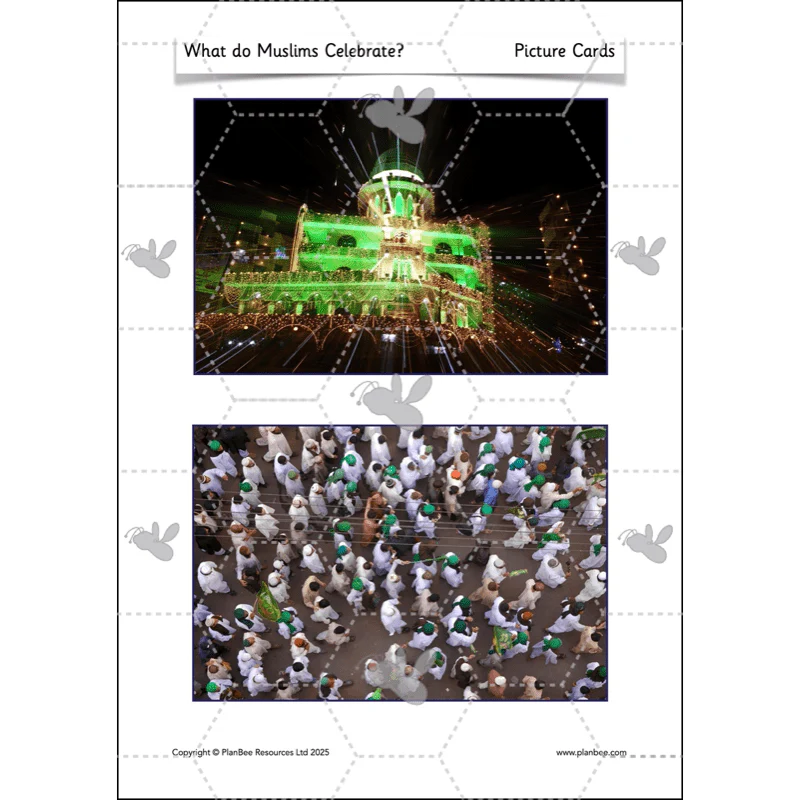
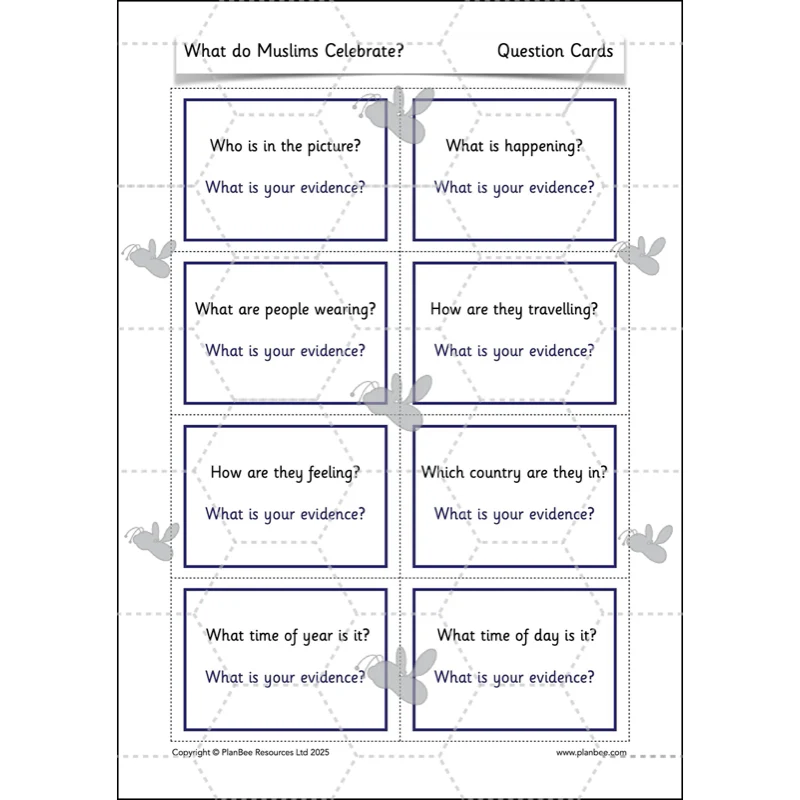
Now that your class are familiar with who the Prophet Muhammad was, they will find out how and why Muslims celebrate his birthday. They will be encouraged to think about why his birthday is a quiet celebration. During their independent learning activities, your class will either think about things they are thankful for or they will have a look at some pictures from Mawlid al-Nabi celebrations and discuss what they can see. The lesson concludes with information about what the Qur'an is and why it is important to Muslims.
What's included:
- Lesson plan
- Slides
- Activity ideas
- Differentiated worksheets
- Picture cards
- Question cards
Ramadan
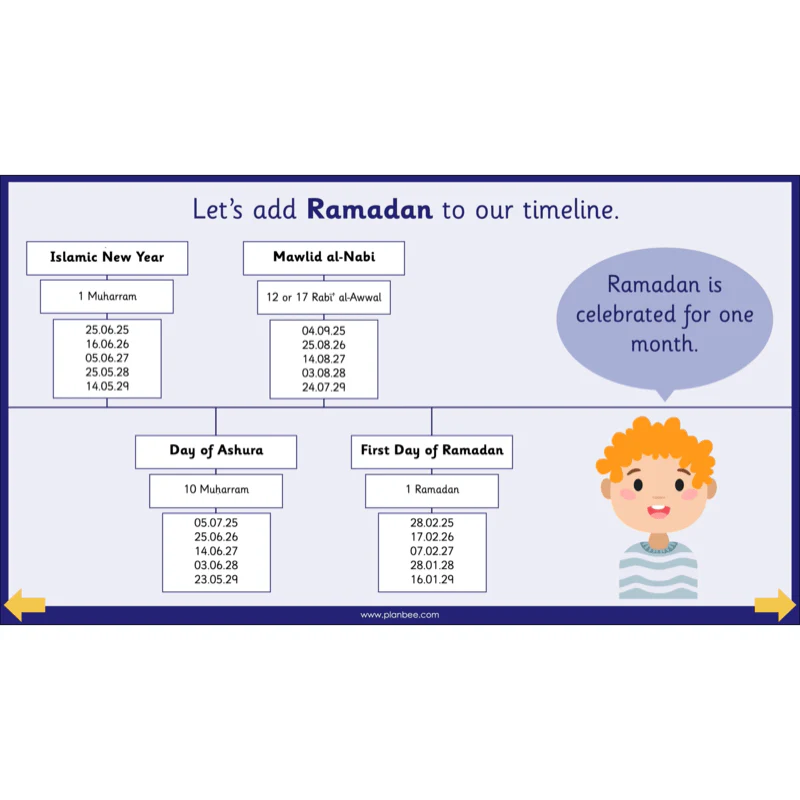
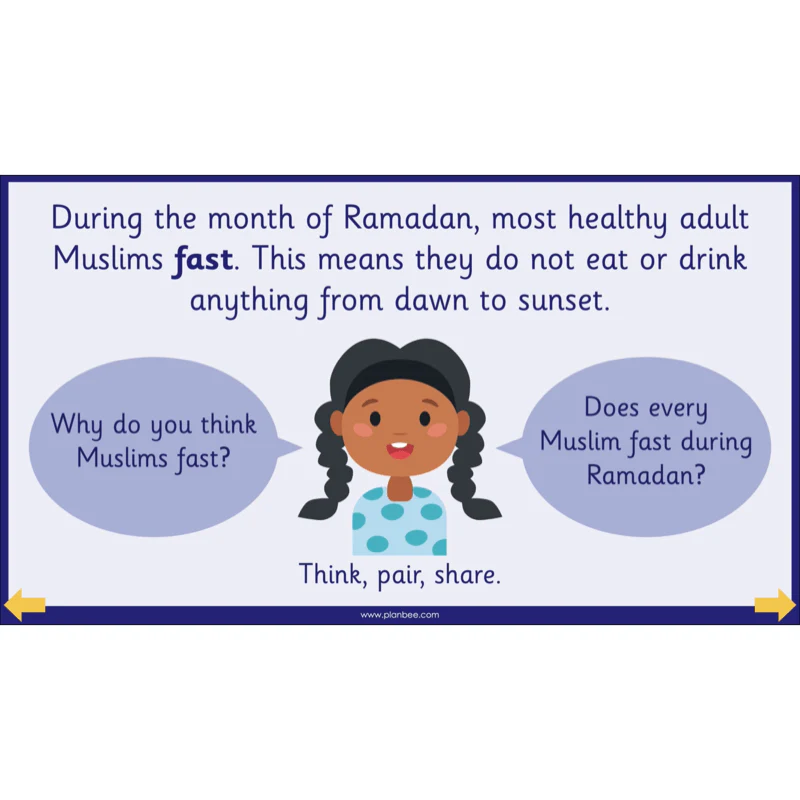
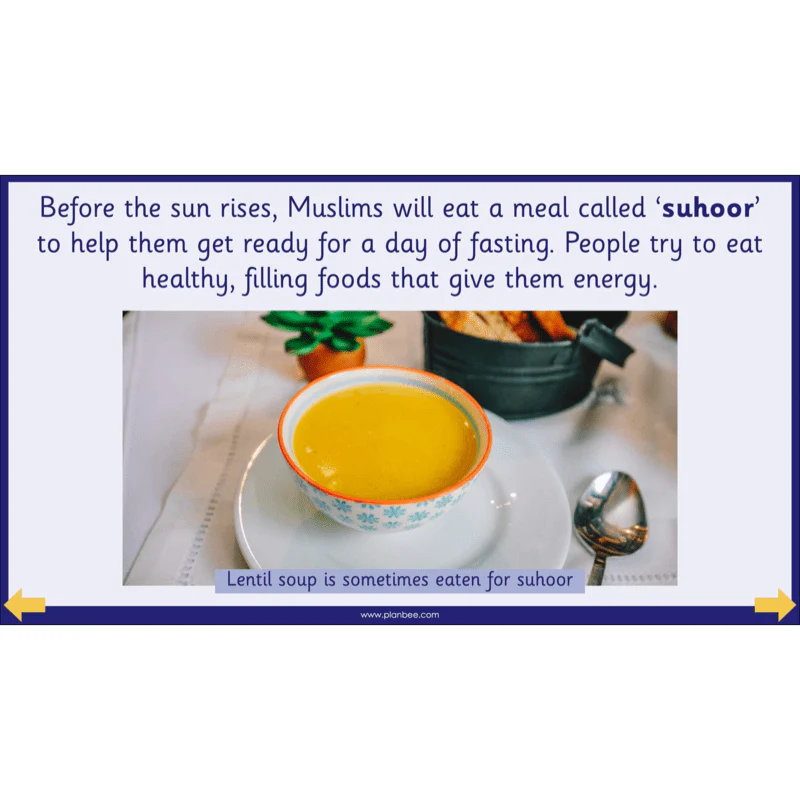
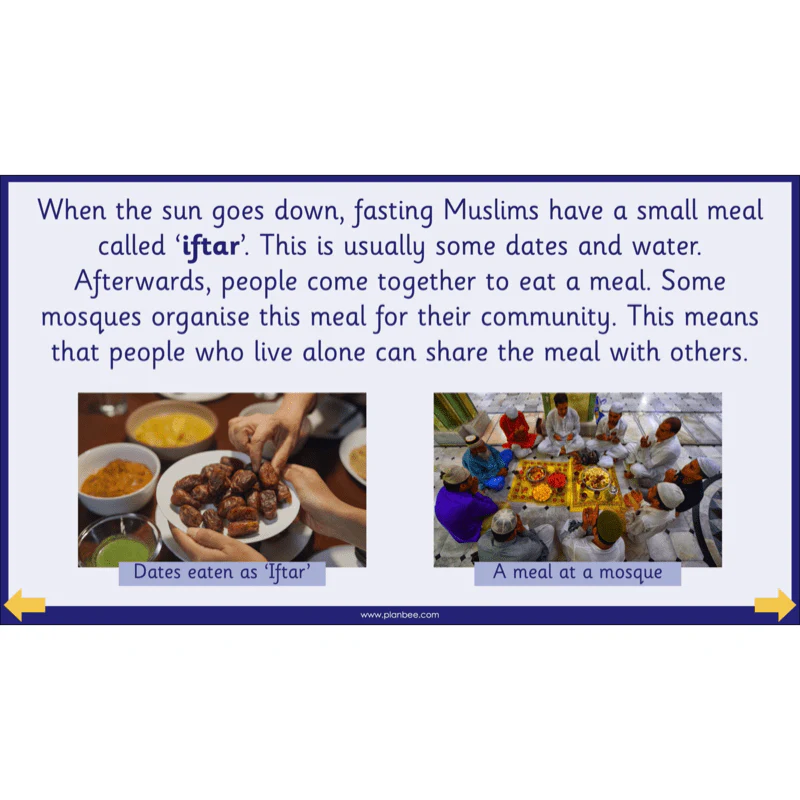
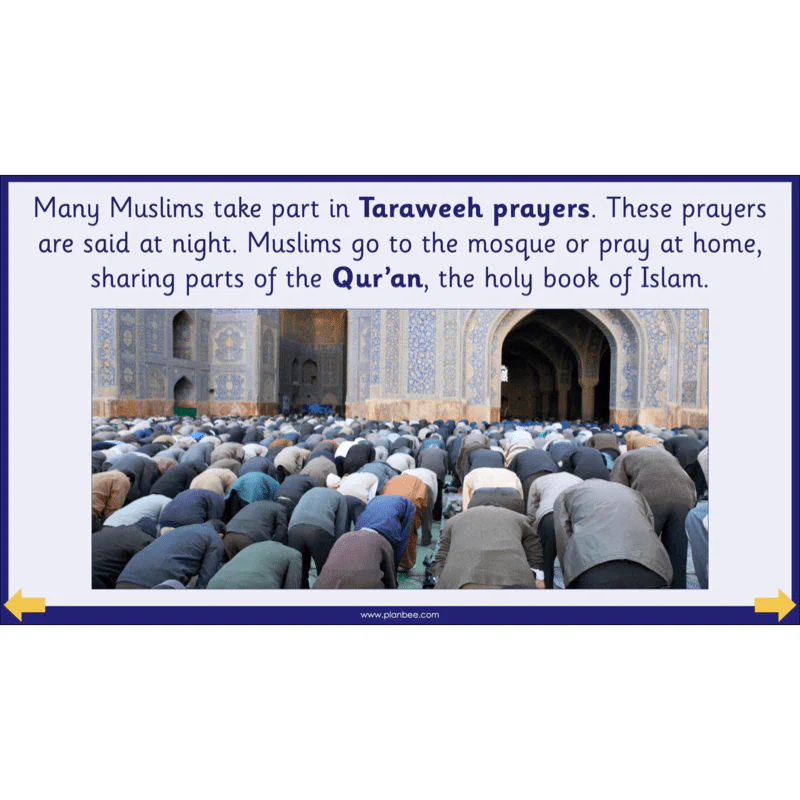
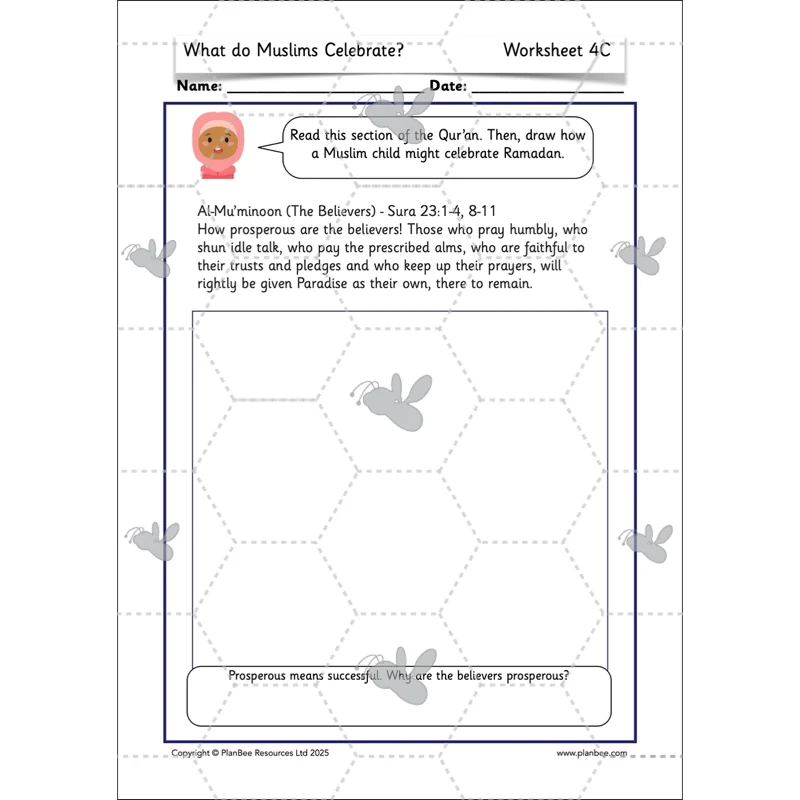
In this lesson, your class will find out about the well-known Muslim festival of Ramadan. They will discover what Muslims do during Ramadan and why, and will also have the option of exploring a section of the Qur'an during the activities. During the plenary, your class will think about what it means to be part of a community.
What's included:
- Lesson plan
- Slides
- Activity ideas
- Differentiated worksheets
Eid al-Fitr
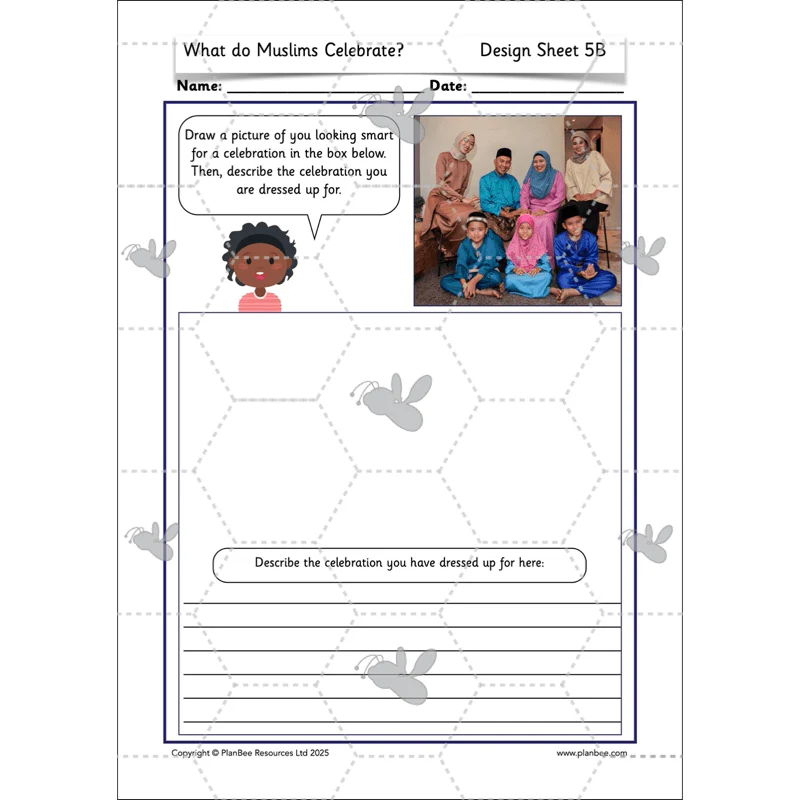
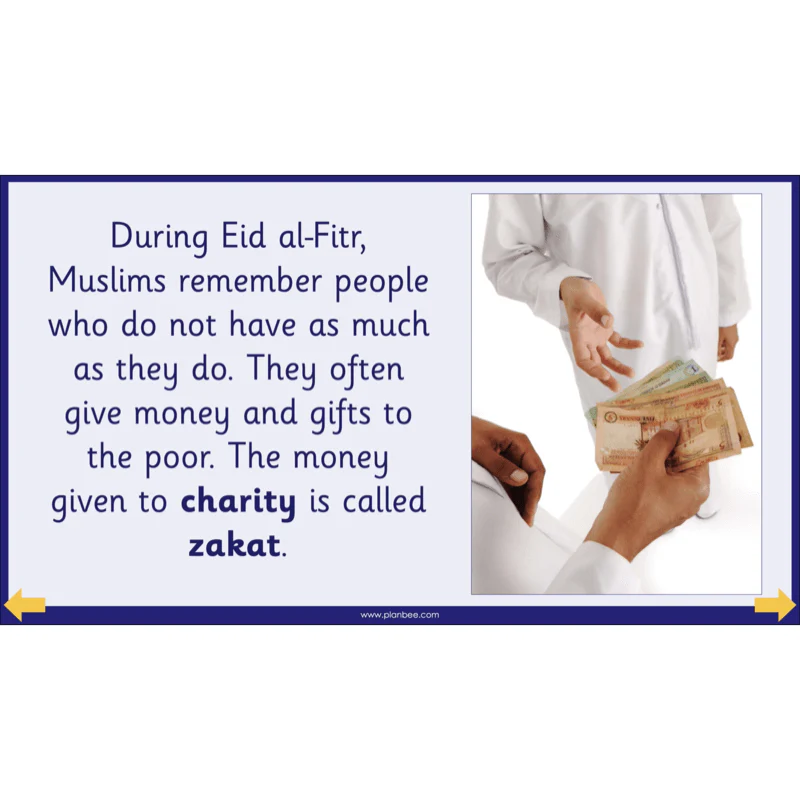
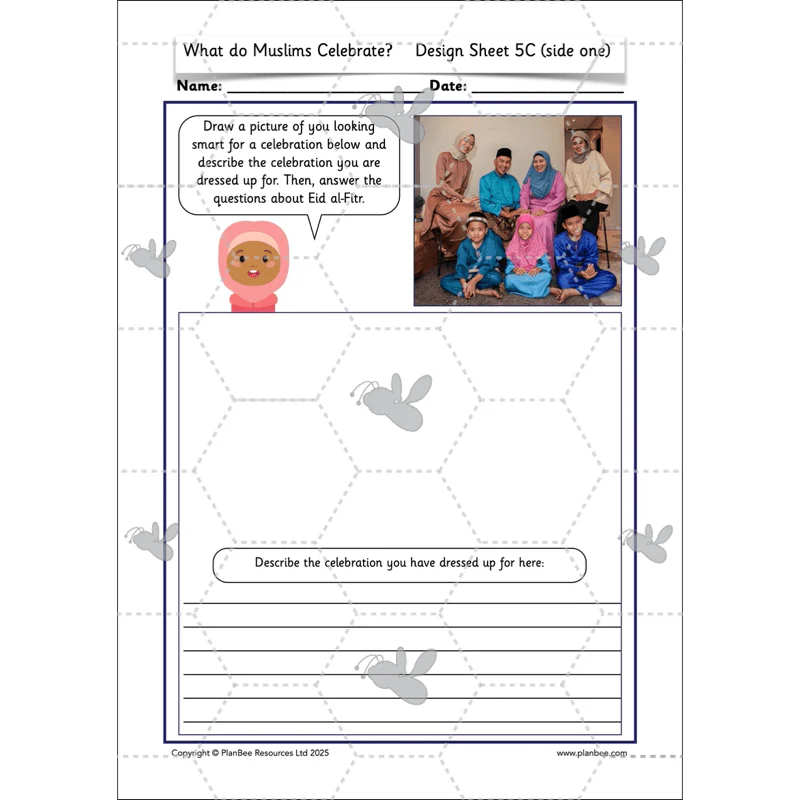
During this lesson, your class will learn about the Muslim festival of Eid. They will talk about the different ways this festival is celebrated and think about what Muslims are celebrating. During the activities your class can either plan an outfit they would wear to a special occasion or you can hold a celebratory meal as a class! The plenary of the lesson focuses on why Muslims give to charity during Eid.
What's included:
- Lesson plan
- Slides
- Activity ideas
- Differentiated worksheets
Hajj
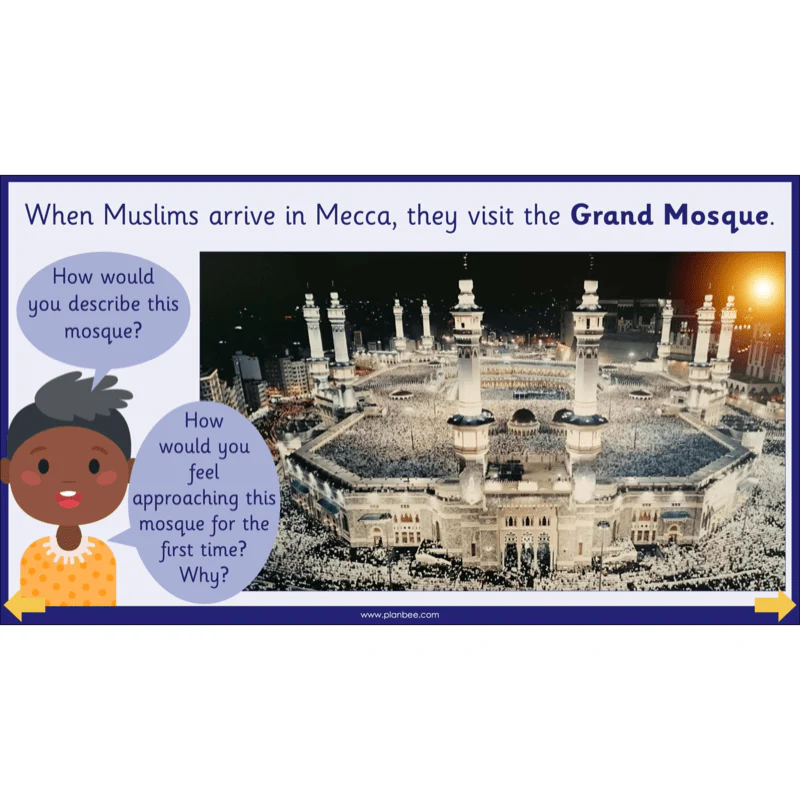
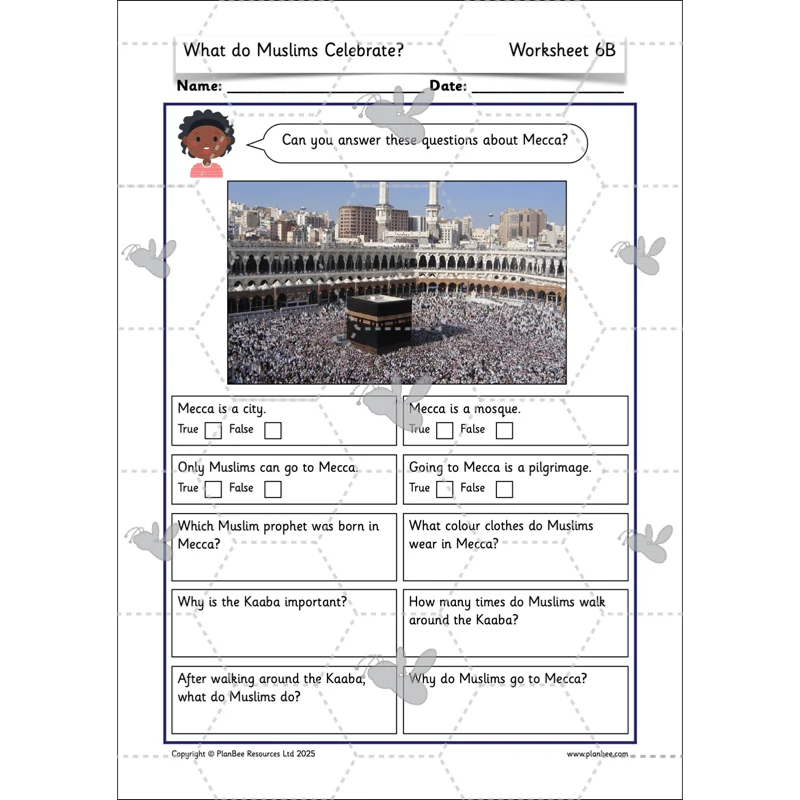
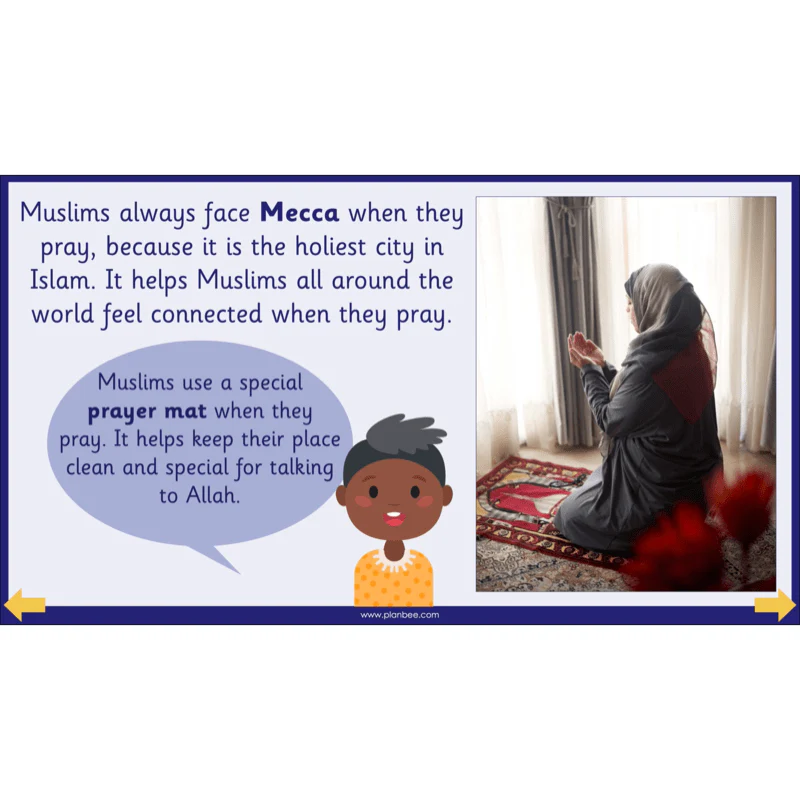
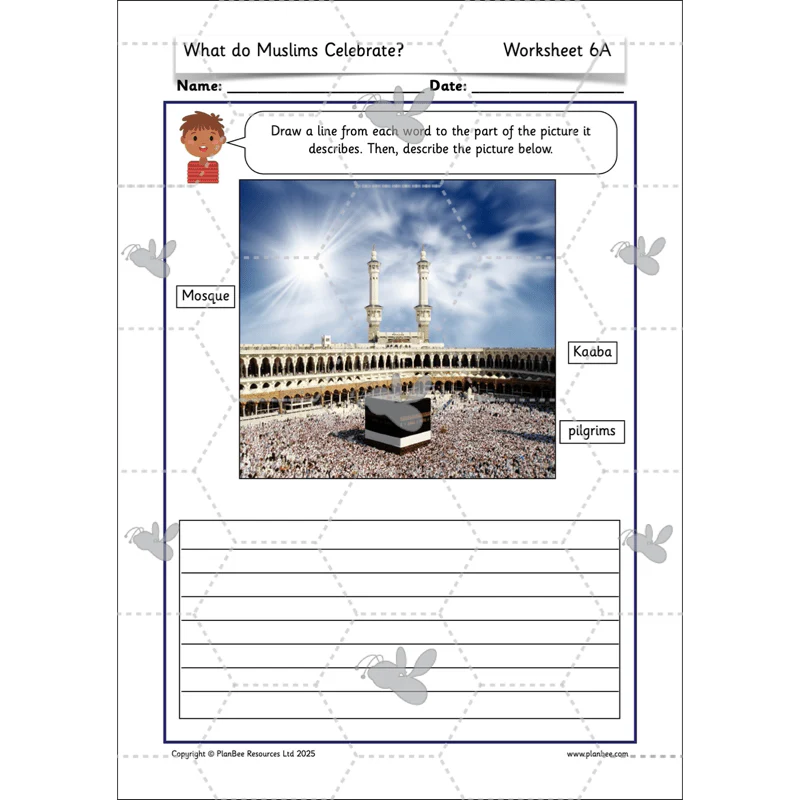
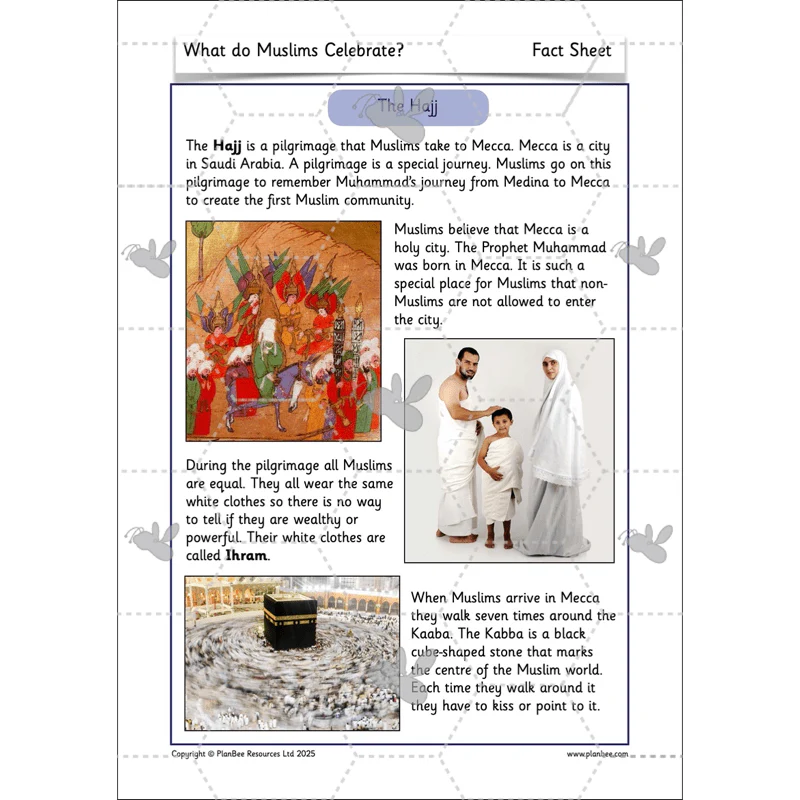
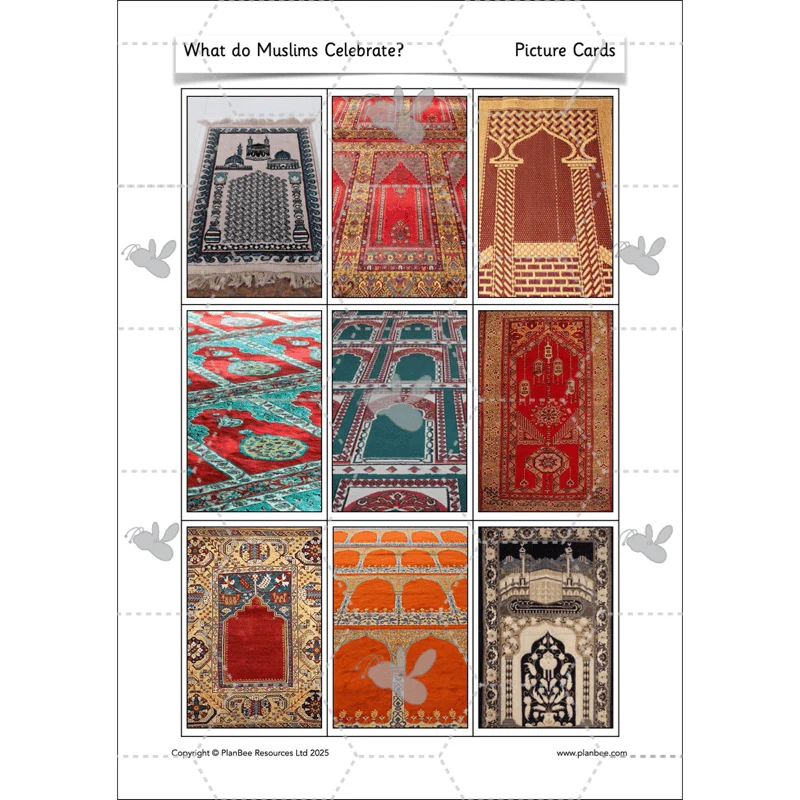
During the final lesson in this series, your class will learn about the Muslim pilgrimage to Mecca. They will think about what a pilgrimage is and find out some of the customs Muslims observe when they have pilgrimaged to Mecca. Your class will then either answer questions about Mecca or they can design their own prayer mats. During the plenary, your class will have the opportunity to reflect on all the Muslim celebrations they have learnt about.
What's included:
- Lesson plan
- Slides
- Activity ideas
- Differentiated worksheets
- Fact sheet
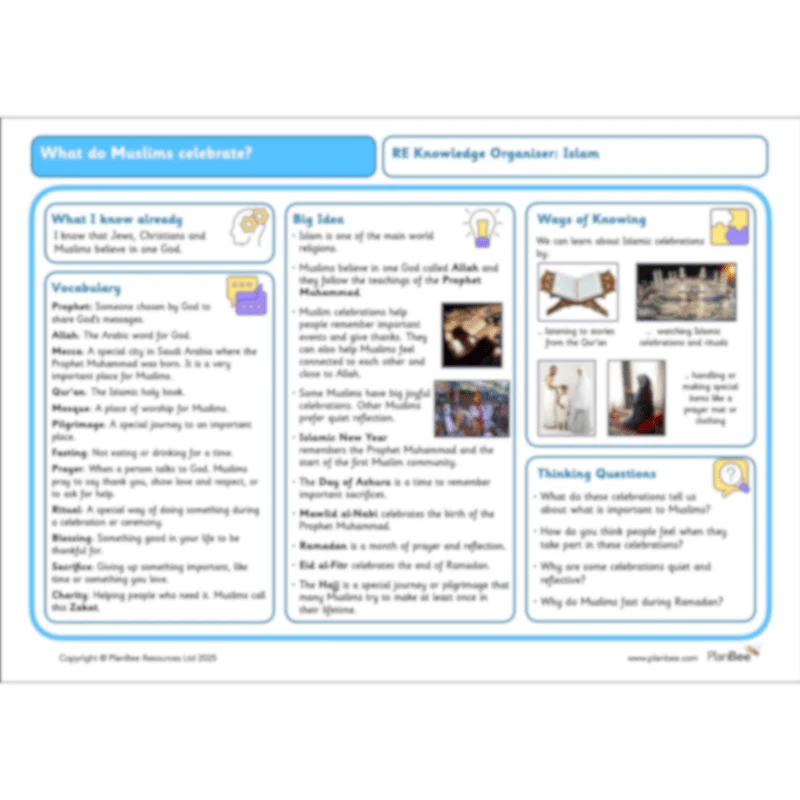
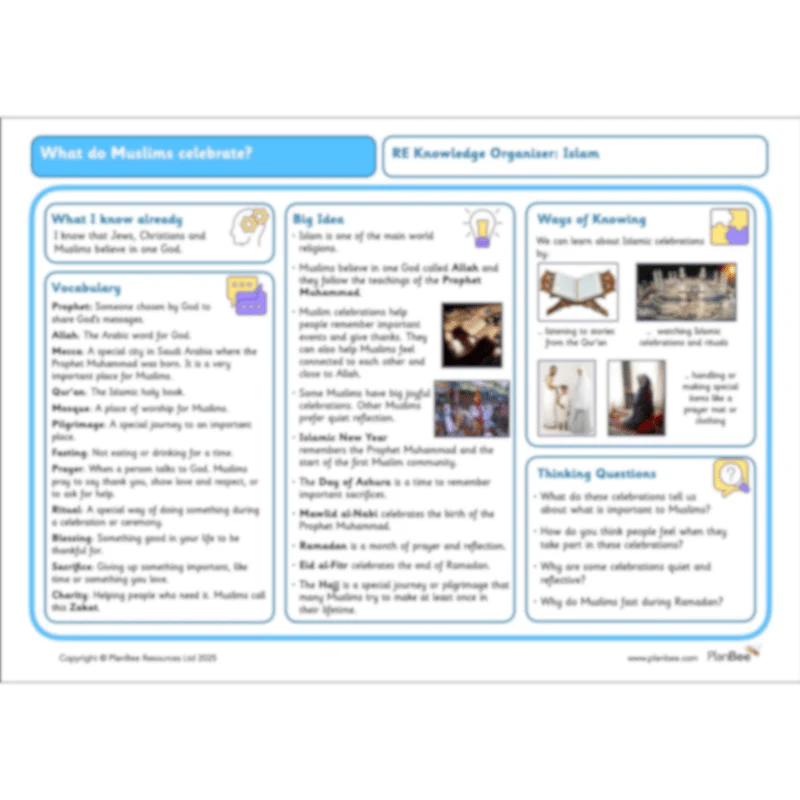
This Year 1/2 RE Knowledge Organiser has been created to complement the study of the Islam strand within our RE and worldviews resource offer. It is designed to support your children's understanding of key vocabulary and big ideas covered in this scheme of work, while signposting prior learning. Children are also encouraged to reflect on 'Ways of Knowing' about religion and worldviews, and to think deeply about the topic through the 'Thinking Questions' provided.
Original: $2.64
-70%$2.64
$0.79Product Information
Product Information
Shipping & Returns
Shipping & Returns
Description
Explore some different Muslim celebrations in this complete 'What do Muslims Celebrate?' scheme of work. Your class will learn about Islamic New Year, the Day of Ashura, Mawlid al-Nabi, Ramadan, Eid al-Fitr and Hajj through a range of activities.
This engaging series of RE lessons for KS1 comes with lesson plans, a choice of learning activities, differentiated worksheets, slides and a whole range of other teaching resources.
Don't forget to view our other RE schemes of work about Islam.
A Knowledge Organiser is available to support the learning in this scheme. It is included in the Complete Series download or can be purchased individually.
Islamic New Year
In the first lesson of this RE scheme of work, your class will find out how Islam began. They will learn that people who follow Islam are Muslims and will discover why, how and when the Prophet Muhammad founded Islam.
What's included:
- Lesson plan
- Slides
- Activity ideas
- Differentiated worksheets
- Differentiated story cards
Day of Ashura
During the second lesson in this series, your class will think about what the Day of Ashura means to Muslims. They will find out that Shi'a and Sunni Muslims observe this day in different ways. During this lesson your class can either explore the story of Moses freeing the Israelites or they can find out about some of the important prophets in Islam. There is also the chance to find out about mosques during the plenary of this lesson.
What's included:
- Lesson plan
- Slides
- Activity ideas
- Differentiated worksheets
- Differentiated story cards
- Fact sheet
Mawlid al-Nabi
Now that your class are familiar with who the Prophet Muhammad was, they will find out how and why Muslims celebrate his birthday. They will be encouraged to think about why his birthday is a quiet celebration. During their independent learning activities, your class will either think about things they are thankful for or they will have a look at some pictures from Mawlid al-Nabi celebrations and discuss what they can see. The lesson concludes with information about what the Qur'an is and why it is important to Muslims.
What's included:
- Lesson plan
- Slides
- Activity ideas
- Differentiated worksheets
- Picture cards
- Question cards
Ramadan
In this lesson, your class will find out about the well-known Muslim festival of Ramadan. They will discover what Muslims do during Ramadan and why, and will also have the option of exploring a section of the Qur'an during the activities. During the plenary, your class will think about what it means to be part of a community.
What's included:
- Lesson plan
- Slides
- Activity ideas
- Differentiated worksheets
Eid al-Fitr
During this lesson, your class will learn about the Muslim festival of Eid. They will talk about the different ways this festival is celebrated and think about what Muslims are celebrating. During the activities your class can either plan an outfit they would wear to a special occasion or you can hold a celebratory meal as a class! The plenary of the lesson focuses on why Muslims give to charity during Eid.
What's included:
- Lesson plan
- Slides
- Activity ideas
- Differentiated worksheets
Hajj
During the final lesson in this series, your class will learn about the Muslim pilgrimage to Mecca. They will think about what a pilgrimage is and find out some of the customs Muslims observe when they have pilgrimaged to Mecca. Your class will then either answer questions about Mecca or they can design their own prayer mats. During the plenary, your class will have the opportunity to reflect on all the Muslim celebrations they have learnt about.
What's included:
- Lesson plan
- Slides
- Activity ideas
- Differentiated worksheets
- Fact sheet
This Year 1/2 RE Knowledge Organiser has been created to complement the study of the Islam strand within our RE and worldviews resource offer. It is designed to support your children's understanding of key vocabulary and big ideas covered in this scheme of work, while signposting prior learning. Children are also encouraged to reflect on 'Ways of Knowing' about religion and worldviews, and to think deeply about the topic through the 'Thinking Questions' provided.